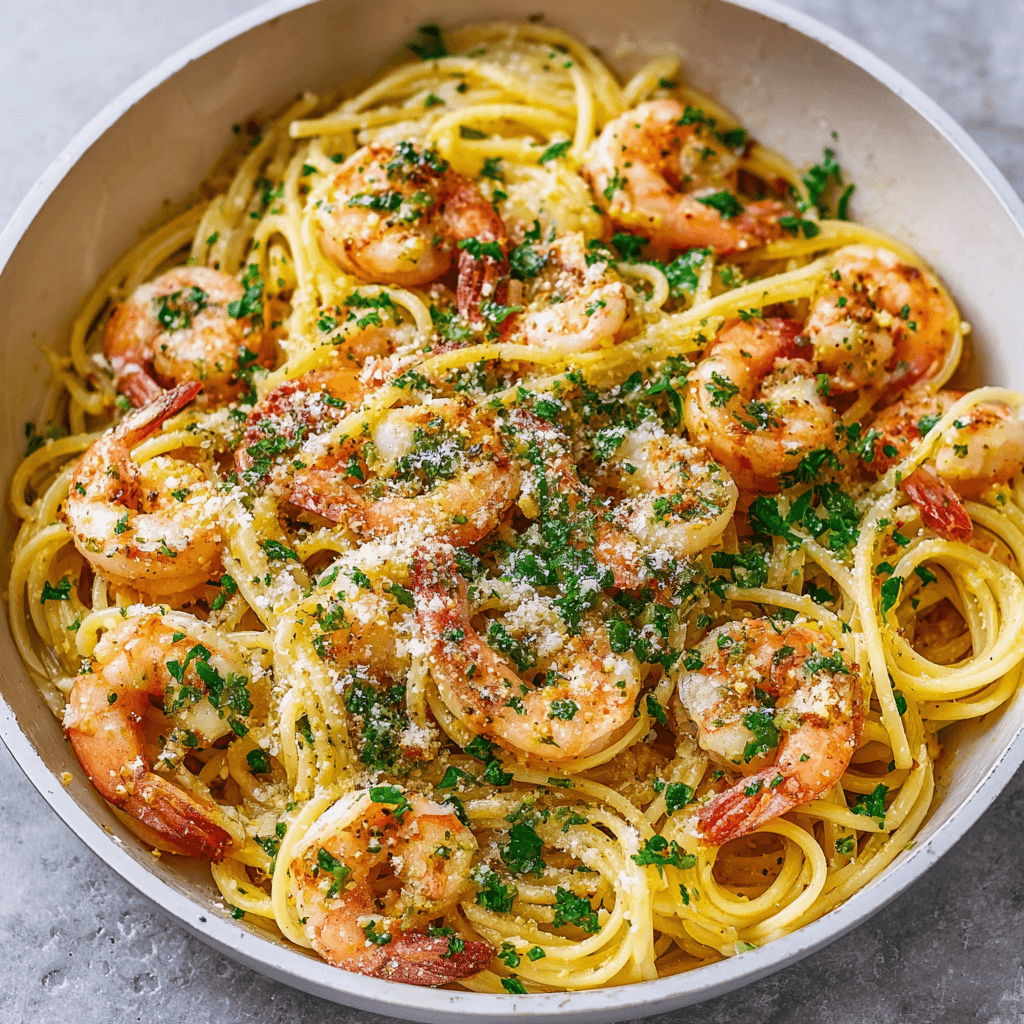
15-Minute Garlic Butter Shrimp Pasta: A Weeknight Lifesaver
This garlic butter shrimp pasta is engineered for speed and flavor, delivering a restaurant-quality meal in less time than it takes to decide on takeout. Forget simmering sauces for hours; this is about strategic, high-impact cooking. While a slow-cooked meal like my Crockpot Italian Beef Sandwiches has its place on a lazy weekend, this recipe is your answer to a busy weeknight.
Why This Recipe Is So Fast
Efficiency is the core principle here. The entire dish is built on parallel processing—cooking multiple components at once.
- Quick-Cook Protein: Shrimp cooks in 2-3 minutes. This is the biggest time-saver compared to chicken, beef, or pork.
- Simultaneous Sauce Prep: While the pasta water boils and the pasta cooks (8-10 minutes), you have the perfect window to prepare the garlic, lemon, parsley, and shrimp.
- No-Simmer Sauce: The “sauce” is a simple pan sauce, or emulsion, created in the last 2 minutes of cooking. It’s made directly in the pan with the shrimp.
Ingredient Spotlight: Selecting the Best Shrimp
The quality of your shrimp dictates the quality of the dish. Here’s a quick guide to making the best choice at the store.
- Fresh vs. Frozen: Don’t shy away from frozen. Most “fresh” shrimp at the counter was previously frozen anyway. “Frozen-at-sea” shrimp is often higher quality and fresher than what’s in the case.
- Size Matters: For this dish, medium to large shrimp (21-30 count per pound) are ideal. They are substantial enough to be a satisfying bite but cook quickly.
- Peeled & Deveined: This is a critical time-saving step. Buying shrimp that are already peeled and deveined cuts your prep time to nearly zero. If you buy shell-on, budget an extra 5-7 minutes for prep.
Step-by-Step Instructions
Prep Time: 5 minutes
Cook Time: 10 minutes
Total Time: 15 minutes
- Boil Pasta: Bring a large pot of heavily salted water to a rolling boil. Add the linguine and cook according to package directions until al dente (usually 8-10 minutes).
- Prep Ingredients (While Pasta Cooks): Mince the garlic, chop the parsley, and zest and juice the lemon. Pat the shrimp completely dry with paper towels and season with salt and pepper.
- Start the Sauce: About 3-4 minutes before the pasta is done, melt 4 tablespoons of butter in a large skillet over medium heat. Add the minced garlic and red pepper flakes. Cook for 30-60 seconds until fragrant. Do not let it brown.
- Cook the Shrimp: Add the seasoned shrimp to the skillet in a single layer. Cook for 1-2 minutes per side, just until they turn pink and opaque. Do not overcook.
- Deglaze and Season: Remove the skillet from the heat. Add the lemon juice, lemon zest, and chopped parsley. Stir to combine.
- Combine & Emulsify: Before draining the pasta, reserve about 1 cup of the starchy pasta water. Drain the pasta and immediately add it to the skillet with the shrimp.
- Finish the Sauce: Add the remaining 2 tablespoons of cold butter and about ¼ cup of the reserved pasta water. Toss vigorously with tongs. The pasta water’s starch will help the butter and lemon juice emulsify into a light, creamy sauce that clings to the noodles. Add more pasta water, one tablespoon at a time, until the sauce reaches your desired consistency.
- Serve: Garnish with grated Parmesan cheese and extra fresh parsley. Serve immediately.
The Key to a Perfect Garlic Butter Sauce
A great sauce isn’t just about ingredients; it’s about technique. These three principles ensure a silky, non-greasy sauce every time.
- Control the Garlic: The goal is fragrant, not fried. Burnt garlic is intensely bitter and will ruin the dish. Keep the heat on medium and cook it for just under a minute. As soon as you can smell it, you’re ready for the next step.
- Embrace the Pasta Water: That cloudy, salty, starchy water is liquid gold. The starch acts as an emulsifier, binding the fat (butter) and the acid (lemon juice) together. This prevents the sauce from feeling greasy and helps it coat every strand of pasta. Never skip this.
- Finish with Cold Butter: Tossing in a couple of tablespoons of cold butter at the very end (monter au beurre) is a classic French technique. It cools the sauce slightly, thickens it, and gives it a professional-looking glossy sheen.
Flavor Variations & Upgrades
This base recipe is a perfect canvas. Once you master the technique, you can easily modify it.
- Add a Veggie Boost: Sauté some spinach, halved cherry tomatoes, or chopped asparagus in the pan before you add the garlic.
- Introduce Some Heat: In addition to red pepper flakes, a finely minced chili or a dash of your favorite hot sauce can be added with the garlic.
- Swap the Protein: Not feeling shrimp? This garlic butter sauce is fantastic with seared scallops or simple pan-fried chicken breast strips. For another incredibly fast and flavorful chicken dish, my Easy Baked Caesar Chicken is a guaranteed winner.
- Simplify It Further: If you’re out of shrimp but crave a minimalist, elegant pasta, a classic Roman Cacio e Pepe recipe uses just cheese, pepper, and pasta water to create magic.
- Go for an Umami Punch: For a different flavor profile, consider this twist inspired by another quick favorite of mine. Instead of parsley and lemon, finish with a splash of soy sauce and sesame oil for a taste reminiscent of these amazing Crispy Rice Paper Dumplings.
COMMON MISTAKES TO AVOID
- Mistake: Overcooked, rubbery shrimp.
Fix: Shrimp cook incredibly fast. Pull them from the heat the moment they turn pink and curl into a loose ‘C’ shape. They will continue to cook slightly from the residual heat of the pasta. - Mistake: A greasy or watery sauce.
Fix: You forgot (or didn’t use enough) starchy pasta water. This is the key emulsifier. Always reserve more than you think you’ll need. Tossing the pasta vigorously also helps build the sauce. - Mistake: Bland or flat-tasting pasta.
Fix: Season at every step. Salt the pasta water generously (it should taste like the sea). Season the shrimp before cooking. And finally, taste and adjust the salt in the finished sauce before serving.
FAQ
Q: Can I use frozen shrimp?
A: Absolutely. Thaw them completely first by placing them in a colander under cold running water for 5-7 minutes. The most important step is to pat them thoroughly dry with paper towels before seasoning; a dry surface is essential for getting a good, quick sear.
Q: What pasta shape is best for this recipe?
A: Long strands like linguine, spaghetti, or fettuccine are classic choices as they hold the light butter sauce well. However, short shapes like penne or fusilli also work perfectly fine. Use what you have.
Q: How do I store and reheat leftovers?
A: Store leftovers in an airtight container in the fridge for up to 2 days. Reheat gently in a skillet over low heat with a splash of water or broth to loosen the sauce and prevent the shrimp from becoming rubbery. Avoid the microwave if possible.
Looking for the perfect light dessert to follow this meal? These elegant mini fruit tartlets are a fantastic option.
NUTRITIONAL SNAPSHOT
| Nutrient | Amount per Serving |
|---|---|
| Calories | 580 kcal |
| Protein | 28g |
| Fat | 25g |
| Net Carbs | 58g |
| Fiber | 3g |
| Sugar | 3g |
Estimates are based on a 4-serving recipe.
15-Minute Garlic Butter Shrimp Pasta: A Weeknight Lifesaver
Ingredients
- 12 oz Linguine
- 1 lb large Shrimp, peeled and deveined
- 6 tablespoons Unsalted Butter, divided
- 4-5 cloves Garlic, minced
- ¼ teaspoon Red Pepper Flakes (or to taste)
- ¼ cup Dry White Wine or Chicken Broth (optional, for deglazing)
- 1 Lemon, zested and juiced
- ¼ cup Fresh Parsley, finely chopped
- ¼ cup grated Parmesan Cheese, for serving
- Salt, to taste
- Black Pepper, to taste