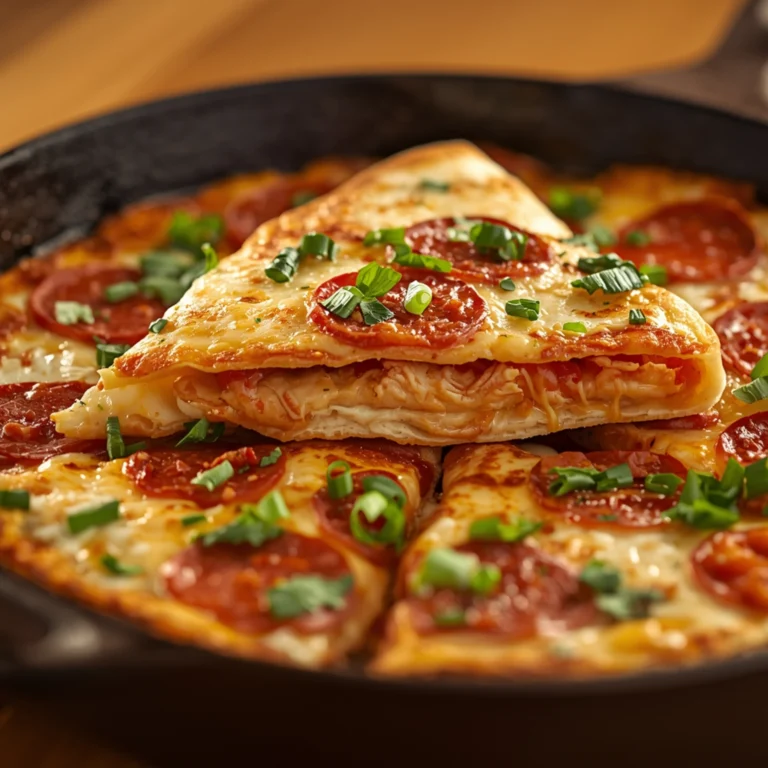
How to Make Perfect Sheet Pan Pizza with a Crispy, Chewy Crust
Forget delivery. This sheet pan pizza delivers a thick, focaccia-like crust that’s crispy on the bottom, chewy in the middle, and loaded with edge-to-edge toppings. It’s the ultimate low-effort, high-reward meal for a busy weeknight, much like our fan-favorite Garlic Ranch Chicken Pizza, but scaled for a crowd. This method is engineered for a perfect bake every time.
For those nights you need something even faster, a 30-minute skillet meal like these Garlic Herb Butter Steak Bites and Pasta is another fantastic option.
Why This Method Works: The Engineering of a Perfect Crust
The success of a sheet pan pizza hinges on the crust. Unlike thin-crust Neapolitan-style pizza, this Detroit-style pan pizza is all about creating a substantial, satisfying foundation.
- High Hydration Dough: Using a slightly wetter dough (around 70% hydration) is key. The extra water turns to steam in the hot oven, creating an open, airy crumb structure—that classic chewy interior.
- Generous Oiling: A heavy layer of olive oil in the pan doesn’t just prevent sticking; it essentially “fries” the bottom of the dough. This is what creates that addictively crispy, golden-brown base.
- Par-Baking (The Blind Bake): This is the most crucial step. Baking the dough for a few minutes before adding toppings drives off initial moisture and sets the structure. This prevents the dreaded soggy center and ensures the crust is cooked through by the time the cheese is perfectly melted.
The Dough Dilemma: Store-Bought vs. Homemade
Your dough choice is the first major variable. Both have their merits.
For a Quick & Easy Homemade Dough:
This no-knead recipe is incredibly forgiving and delivers amazing flavor.
- Mix: Combine flour, yeast, salt, and water. Stir until a shaggy dough forms. No kneading required.
- Rest (First Proof): Cover and let it rise for 2-4 hours at room temperature, or up to 3 days in the fridge for more complex flavor.
- Shape: Gently press it into your oiled sheet pan.
For Store-Bought Dough:
- Bring to Room Temp: Let the dough sit on the counter for at least 30-60 minutes. Cold dough is elastic and will constantly spring back.
- Look for Quality: Seek out fresh pizza dough balls from a local bakery or the refrigerated section of your grocery store.
- Don’t Overwork It: Be gentle as you stretch it into the pan to preserve the air bubbles.
STEP-BY-STEP INSTRUCTIONS
This process is broken into four key phases: Dough Prep, Par-Baking, Assembly, and Final Bake.
Phase 1: Dough Preparation
- Oil the Pan: Pour 3-4 tablespoons of olive oil into a standard 18×13 inch half-sheet pan. Use your fingers to spread it evenly, ensuring it coats the bottom and corners.
- Place the Dough: Transfer your pizza dough (homemade or store-bought) to the center of the pan.
- First Stretch: Gently press and stretch the dough outwards. It won’t reach the corners yet. Don’t force it.
- Rest (20 mins): Cover the pan with plastic wrap or a clean kitchen towel. Let the dough rest for 20 minutes. This allows the gluten to relax, making it easier to stretch.
- Final Stretch: Remove the cover. The dough will now be much more pliable. Gently press it into the corners of the pan. If it still resists, give it another 10-minute rest.
- Dimple: Press your fingertips all over the surface of the dough, creating dimples like you would for focaccia. This prevents large, unwanted bubbles from forming during the bake.
Phase 2: Par-Baking the Crust
- Preheat Oven: Position an oven rack in the lower third of the oven and preheat to 450°F (232°C). A hot oven is critical for a good “oven spring.”
- Bake the Dough: Place the sheet pan in the preheated oven and bake for 8-10 minutes. The dough should be lightly golden and slightly puffed.
Phase 3: Assembly
- Remove from Oven: Carefully take the hot pan out of the oven.
- Add Sauce: Spread a thin, even layer of pizza sauce over the par-baked crust, leaving a small border if desired.
- Layer Cheese: Distribute the shredded low-moisture mozzarella cheese evenly over the sauce, going all the way to the edges. This creates the iconic crispy “frico” cheese crust.
- Add Toppings: Place your pepperoni and any other toppings over the cheese.
Phase 4: Final Bake
- Return to Oven: Place the pizza back on the lower rack in the 450°F (232°C) oven.
- Bake Until Golden: Bake for an additional 10-15 minutes, or until the crust is deep golden brown and the cheese is bubbly and melted.
- Rest & Slice: Let the pizza cool in the pan for 5 minutes before slicing and serving. This allows the cheese to set.
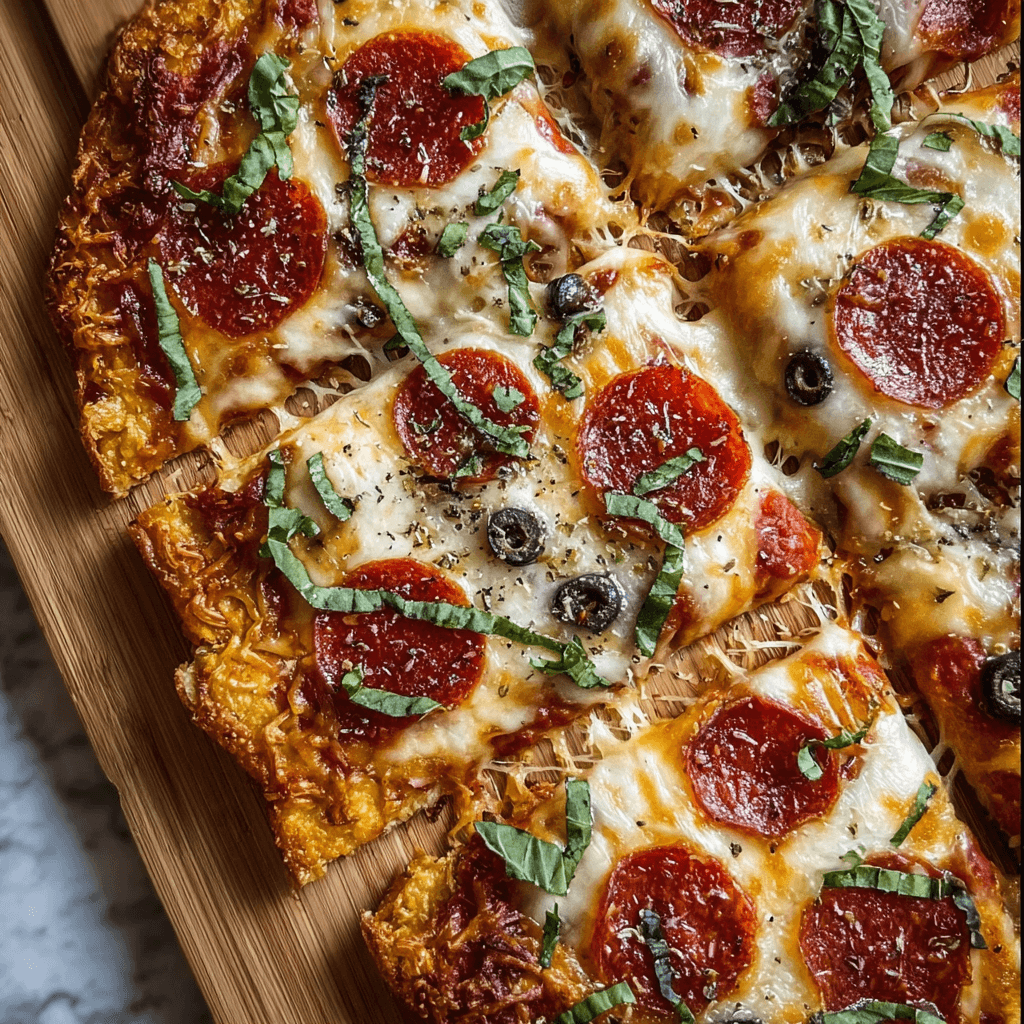
Topping Strategy: A Guide to Ratios & Layers
The order and quantity of your toppings matter. A well-constructed pizza is balanced in flavor and texture, avoiding sogginess. For a different kind of hearty, crowd-pleasing dish, a classic Shepherd’s Pie recipe follows similar principles of building layers of flavor.
- Sauce: Use less than you think. A thin layer is all you need. Too much sauce is the #1 cause of a soggy crust.
- Cheese: Use low-moisture mozzarella. Fresh mozzarella releases too much water. Shred your own from a block for the best melt and least grease.
- Topping Order:
- Crust
- Sauce
- Hard Cheeses (like Parmesan or Pecorino)
- Main Toppings (Pepperoni, cooked sausage, veggies)
- Mozzarella
- Fresh Herbs/Finishes (Basil, oregano, hot honey – add after baking)
- Pre-cook Meats & Veggies: Raw sausage, onions, and mushrooms contain a lot of water. Sauté them first to cook them through and remove excess moisture. Think about how perfectly tender meat can elevate a dish, like in these Slow Cooker Brown Sugar Pork Chops.
After a satisfying meal, consider a beautiful dessert. This Chocolate Strawberry Tart recipe is an elegant finish to any dinner.
COMMON MISTAKES TO AVOID
- Mistake: A soggy, undercooked center.
- Fix: Do not skip the par-bake. This step is non-negotiable for a thick pan pizza. It sets the crust before the wet toppings are added.
- Mistake: The dough keeps shrinking back and won’t stretch to the corners.
- Fix: Let the dough rest. Gluten is like a muscle; when overworked, it tenses up. Letting the dough rest on the oiled pan for 20 minutes allows the gluten to relax, making it easy to stretch.
- Mistake: The cheese is browning too fast but the bottom crust is still pale.
- Fix: Use the lower oven rack. Placing the pan closer to the primary heat source ensures the bottom gets crispy and golden at the same rate the toppings cook.
FAQ
Q: Can I prepare this pizza ahead of time?
A: Yes. You can par-bake the crust up to 4 hours in advance. Let it cool completely, then cover it on the pan. When ready, add toppings and proceed with the final bake, adding a few extra minutes to the bake time.
Q: How do I get the cheese crispy all the way to the edge?
A: Spread the shredded mozzarella all the way to the vertical sides of the sheet pan. The cheese that touches the hot metal will melt, fry, and crisp up, creating a delicious “frico” crust.
Q: What’s the best way to reheat leftovers?
A: For the crispiest results, use an oven or air fryer. Preheat to 375°F (190°C) and heat slices for 5-8 minutes until hot and re-crisped. A microwave will work but will make the crust soft.
NUTRITIONAL SNAPSHOT
(Estimated for 1 slice of a 12-slice pepperoni pizza)
| Nutrient | Amount per Serving |
|---|---|
| Calories | 380 kcal |
| Protein | 16g |
| Fat | 18g |
| Net Carbs | 35g |
| Fiber | 2g |
| Sugar | 4g |