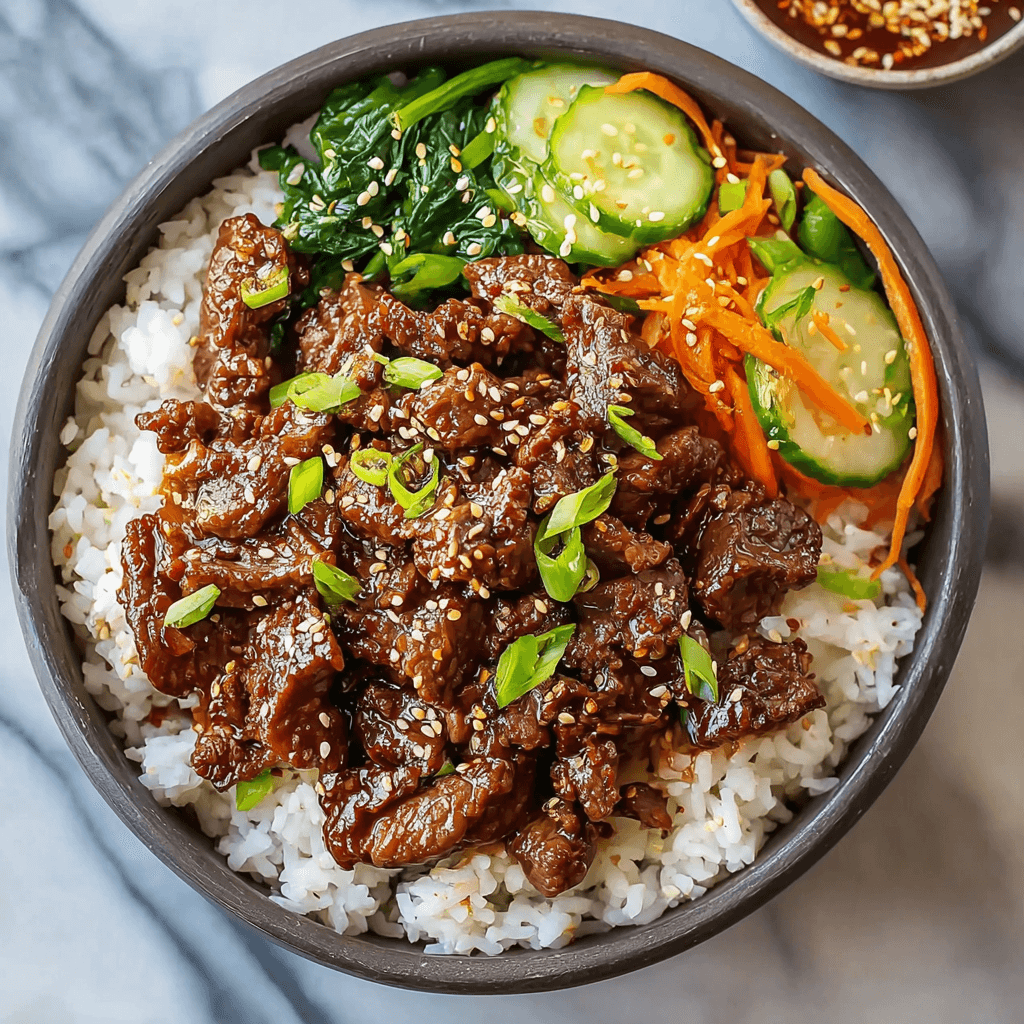
Easy Korean BBQ Beef Bowls: A 30-Minute Recipe
Get ready for the irresistible sizzle of sweet and savory beef hitting a hot pan. This Korean BBQ Beef Bowl recipe delivers that addictive restaurant flavor right in your kitchen, faster than you can order takeout. If you love quick, high-impact meals, you’ll also appreciate this Spiced Lamb Larb with Vermicelli, another 30-minute weeknight hero.
This guide gives you the blueprint for a perfect bowl every time, from slicing the beef to building the ultimate combination of toppings.
The Anatomy of a Perfect Korean BBQ Bowl
A great bowl is a study in balance. Each component plays a critical role in the final flavor and texture experience.
- The Beef: The star of the show. We use thinly sliced beef that cooks in minutes and soaks up the marinade like a sponge.
- The Marinade: The soul of the dish. This is where the magic happens—a perfect harmony of salty, sweet, savory, and aromatic notes.
- The Rice: The foundation. Fluffy, slightly sticky rice provides the ideal neutral base to catch every drop of the delicious sauce.
- The Toppings: The finishing touch. These provide crucial freshness, crunch, and temperature contrast that elevates the bowl from good to great.
The Key to Tender Beef: Slicing and Searing
The texture of your beef can make or break this dish. Follow two non-negotiable rules for a melt-in-your-mouth result.
- The Cut: Ribeye is the top choice for its rich marbling, which equals flavor and tenderness. Sirloin and flank steak are also excellent, leaner options that work beautifully.
- The Slice (Critical): Freeze the steak for 20-30 minutes before slicing. This firms up the meat, allowing you to easily cut paper-thin slices against the grain. This technique physically shortens the muscle fibers, guaranteeing tenderness.
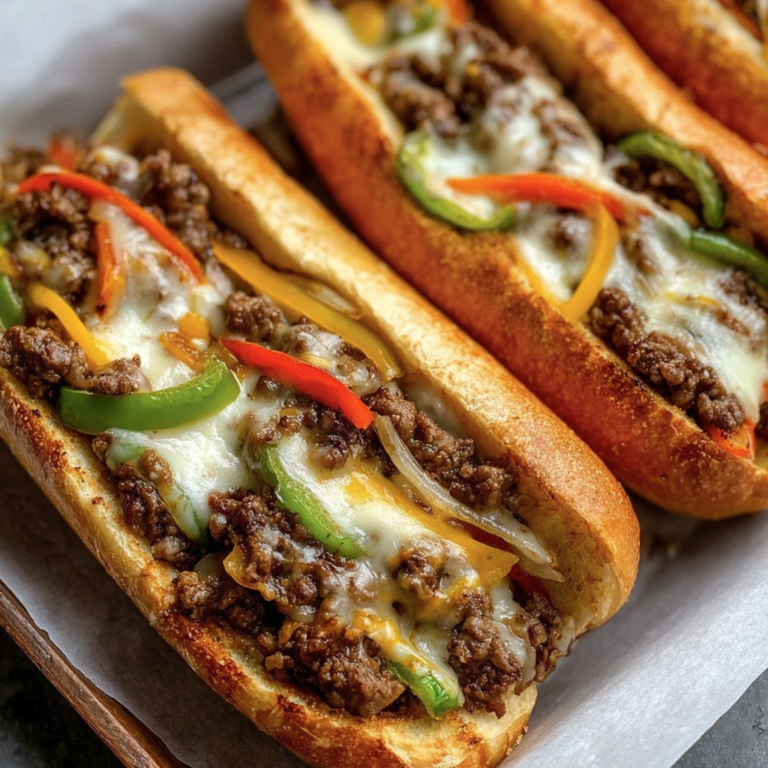
- The Sear: Get your pan screaming hot. A cast iron skillet or wok is ideal. Cook the beef in small batches without crowding the pan. The goal is a deep, caramelized crust from the Maillard reaction, not gray, steamed meat. If you appreciate perfectly cooked beef, these Easy Philly Cheesesteak Sliders are another must-try.
Mastering the Marinade: The Flavor Foundation
This marinade uses simple pantry staples to create an incredibly complex flavor profile. Understand what each ingredient does.
- Soy Sauce (Salty/Umami): The savory backbone. Use low-sodium to better control the final saltiness.
- Brown Sugar (Sweet): This balances the salt and is essential for achieving that beautiful caramelization on the beef. Honey is a great substitute.
- Sesame Oil (Nutty/Aromatic): Adds the signature toasty, nutty aroma of Korean cuisine. A little goes a long way.
- Garlic & Ginger (Aromatic): Use fresh, never powdered. They provide a pungent, zesty kick that cuts through the richness.
- Asian Pear (Tenderizer/Sweetness): This is the traditional secret weapon. An enzyme in the pear, called calpain, naturally tenderizes the meat while adding a subtle, fruity sweetness. If you can’t find one, add 1 extra tablespoon of brown sugar.
Custom Bowl Toppings: Build Your Masterpiece
Toppings are where you can get creative. Mix and match for different textures and flavors. Aim for at least one from each category.
- The Classics:
- Toasted sesame seeds
- Thinly sliced green onions (scallions)
- Kimchi (for a funky, spicy crunch)
- Fresh & Crunchy:
- Shredded carrots
- Thinly sliced cucumber
- Crisp bean sprouts
- Steamed or blanched broccoli
- Shelled edamame
- Rich & Creamy:
- A fried egg with a runny yolk
- Sliced avocado
- Spicy Kick:
- Gochujang (Korean chili paste)
- Sriracha or your favorite chili-garlic sauce
- Thinly sliced fresh chilies (jalapeño or serrano)
Mastering flavor combinations is a rewarding skill. For those who enjoy tackling layered desserts as a weekend project, exploring an advanced recipe like Choux au Craquelin can be a fun culinary challenge.
Step-by-Step Instructions
- Prepare the Beef: Place your steak in the freezer for 20-30 minutes. Remove and use a sharp knife to slice it as thinly as possible against the grain. Place the sliced beef in a large bowl.
- Mix the Marinade: In a separate small bowl, whisk together the soy sauce, sesame oil, brown sugar, mirin, minced garlic, grated ginger, grated Asian pear, and black pepper until the sugar is dissolved.
- Marinate the Beef: Pour the marinade over the sliced beef. Use your hands or tongs to toss thoroughly, ensuring every piece is coated. Cover the bowl and let it marinate for at least 30 minutes on the counter, or up to 4 hours in the refrigerator for deeper flavor.
- Cook the Beef: Heat the vegetable oil in a large cast-iron skillet or wok over high heat. Once the oil is shimmering hot, use tongs to lift a portion of the beef from the marinade, letting excess drip off.
- Sear in Batches: Place the beef in the pan in a single, uncrowded layer. Cook for 60-90 seconds per side, until deeply browned and caramelized. Do not overcook. Remove the cooked beef to a clean plate and repeat with the remaining meat.
- Assemble the Bowls: Fill four bowls with a base of warm cooked rice. Top with a generous serving of the Korean BBQ beef.
- Garnish and Serve: Garnish with your chosen toppings like toasted sesame seeds, green onions, and a side of kimchi. Serve immediately while hot.
COMMON MISTAKES TO AVOID
- Mistake: Slicing the beef too thick or with the grain. This results in tough, chewy strips that are difficult to eat.
Fix: Always freeze the beef for 20-30 minutes before slicing. It provides the firmness needed to get paper-thin cuts against the grain. - Mistake: Crowding the pan. This drops the pan’s temperature, causing the beef to steam in its own juices instead of searing. You’ll get gray, rubbery meat.
Fix: Cook in small batches over very high heat. Ensure there is space between each piece of meat to allow moisture to evaporate and a crust to form. - Mistake: Skipping the marinade time. Rushing this step results in beef that is only seasoned on the surface, lacking deep, integrated flavor.
Fix: Marinate for a minimum of 30 minutes. If you have the time, 2-4 hours is the sweet spot for maximum flavor penetration without compromising the texture.
FAQ
Q: Can I use a different protein?
A: Absolutely. Thinly sliced chicken thighs or pork shoulder are excellent substitutes. Marinate and cook them using the same method, adjusting cooking time as needed to ensure they are cooked through.
Q: What is the best rice for this bowl?
A: Short-grain white rice (often labeled as sushi rice) is traditional and has a pleasant, slightly sticky texture that’s perfect for bowls. Fragrant jasmine rice is another fantastic choice.
Q: How can I make this recipe gluten-free?
A: It’s very simple. Just replace the soy sauce with an equal amount of gluten-free tamari or coconut aminos. Double-check that your other condiments, like gochujang, are also certified gluten-free.
To round out your meal, consider a show-stopping dessert. A delicate Vanilla Bean Flan Tart recipe would be a stunning contrast to the savory beef bowl.
NUTRITIONAL SNAPSHOT
| Nutrient | Amount per Serving |
|---|---|
| Calories | 560 kcal |
| Protein | 32g |
| Fat | 23g |
| Net Carbs | 54g |
| Fiber | 3g |
| Sugar | 16g |
Estimates are based on using sirloin steak and 1 cup of rice per bowl. Actual values will vary with toppings and cut of beef.
Easy Korean BBQ Beef Bowls: A 30-Minute Recipe
Ingredients
- 1 lb ribeye, sirloin, or flank steak
- 1/4 cup low-sodium soy sauce
- 2 tbsp toasted sesame oil
- 2 tbsp brown sugar
- 1 tbsp mirin
- 4 cloves garlic, minced
- 1 tbsp fresh ginger, grated
- 1/2 medium Asian pear, peeled and grated
- 1 tsp black pepper
- 1 tbsp neutral oil (vegetable or canola)
- 4 cups cooked short-grain or jasmine rice
- Optional garnishes: toasted sesame seeds, sliced green onions, kimchi, shredded carrots, sliced cucumber, fried egg