Why Is My Carbonara Scrambled Instead of Silky? Fix It Fast for Perfect Texture
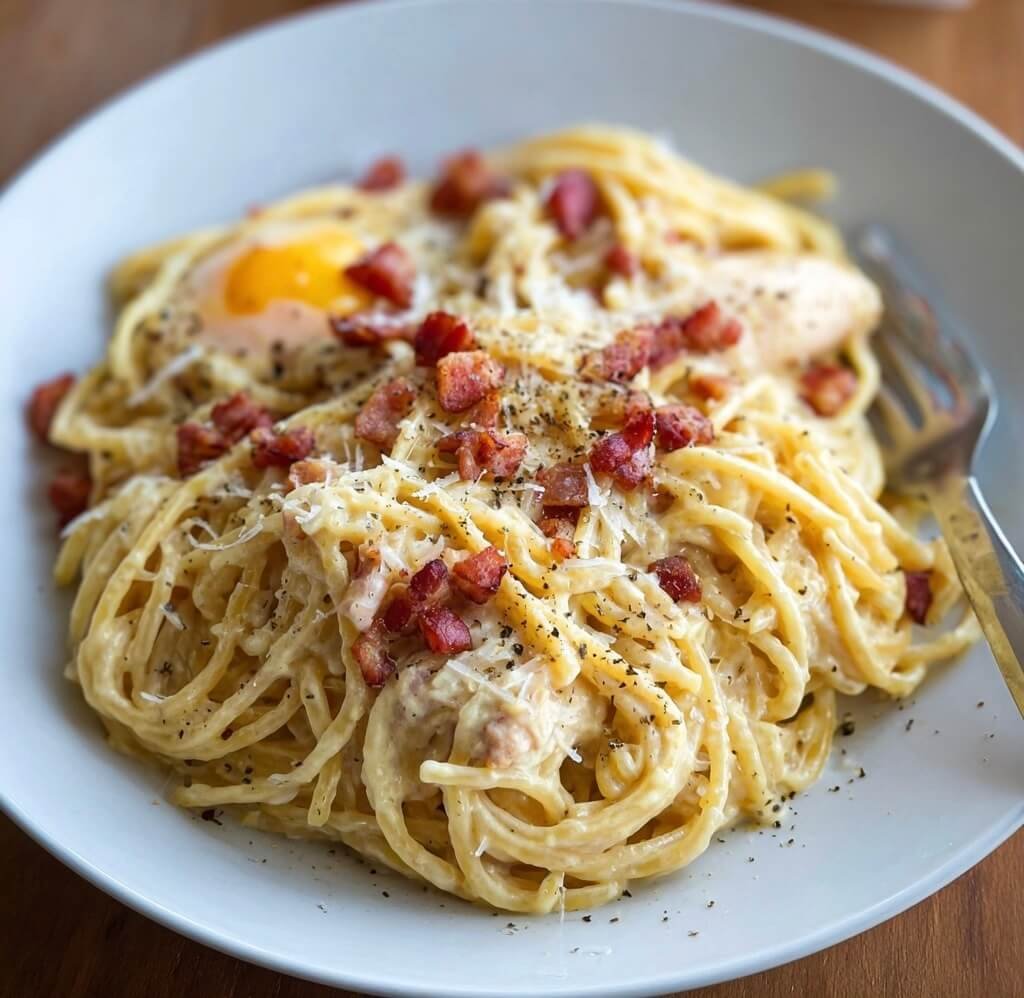
Carbonara is a luxurious, creamy pasta dish many home cooks strive to master. If you’ve ever wondered, why is my carbonara scrambled instead of silky?, you’re not alone. The secret to perfect carbonara lies in timing and technique — skip these, and you risk ending up with clumpy, scrambled eggs rather than a smooth sauce.
At Linda’s Crockpot, I focus on simple, comforting meals that deliver consistent results. Whether you enjoy Italian classics or easy weeknight dinners, I’ve found the key to avoid scrambled carbonara is surprisingly simple. For more kitchen tips that elevate your weeknight meals, check out my Simple Sausage and Veggie Skillet Recipe for Flavor-Packed Weeknight Dinners.
Step-by-Step Instructions to Prevent Scrambled Carbonara
- Cook pasta al dente: Boil pasta until just tender. Overcooking reduces pasta absorbency and texture.
- Prepare egg mixture off heat: Whisk eggs with grated Pecorino Romano or Parmesan cheese, and freshly cracked black pepper until smooth.
- Drain pasta, reserve pasta water: Save at least 1 cup of starchy pasta water to adjust sauce consistency.
- Combine pasta and egg mixture off heat: Immediately add hot pasta to the egg mixture, stirring vigorously to coat evenly without cooking eggs.
- Add pasta water gradually: Slowly pour reserved warm pasta water while stirring to loosen and gently cook eggs, creating a velvety sauce.
- Avoid direct heat: Never add eggs to the pan over direct stove heat — this causes instant scrambling.
- Serve immediately: Carbonara sauce thickens and firms as it cools. Serve right away for creamy texture.
Look for a silky, glossy sauce clinging to each noodle, not lumps or curds.
Why Carbonara Scrambles Instead of Silky
- Direct heat cooks eggs too fast: Adding eggs to a hot pan causes rapid coagulation, resulting in curds.
- Oil or water temperature too hot: Pasta or pan overly hot “scrambles” eggs instead of gently thickening sauce.
- Insufficient stirring: Lack of constant mixing lets eggs settle and cook unevenly.
- No pasta water reserved: Without starchy water, sauce can become thick and clumpy.
- Wrong egg-to-cheese ratio: Too many eggs or cheese disrupts sauce balance, changing texture.
For varied stovetop recipes that complement your pasta know-how, try my One-Pan Sheet Pan Winners: Effortless Meals for Busy Cooks.
How to Adjust Temperatures for Silky Carbonara
- Off-heat mixing: Combine eggs and pasta off the heat source.
- Use warm pasta: Hot pasta slightly cooks eggs when combined, but does not scramble.
- Room temperature eggs: Let eggs come up to room temp to avoid temperature shocks.
- Lower flame if reheating: If warm in pan, keep heat low and stir constantly.
Master this approach for dishes like classic chicken fried rice with delicate sauce textures—from this external detailed guide.
Using Cheese and Eggs Correctly in Carbonara
- Choose proper cheese: Pecorino Romano traditionally used; Parmesan acceptable.
- Freshly grate cheese: Pre-grated contains anti-caking agents that affect texture.
- Use whole eggs vs egg yolks: Whole eggs create lighter sauce; yolks give richer, thicker texture.
- Whisk cheese into eggs first: Integrates flavors and prevents clumps.
Common Mistakes to Avoid
- Mistake: Adding eggs to the boiling pan of pasta.
Fix: Remove from heat first, then mix eggs with pasta. - Mistake: Skipping reserved pasta water.
Fix: Always save and add pasta water gradually to loosen sauce. - Mistake: Not stirring quickly and consistently during mixing.
Fix: Stir rapidly to avoid scrambling and promote creamy texture.
FAQ
Q1: Can I reheat carbonara without scrambling the sauce?
A1: Reheating is tricky but possible by gently warming pasta in a pan over very low heat with a splash of reserved pasta water or cream. Stir constantly to maintain smoothness. For detailed reheating tips for creamy dishes, see this external guide on spicy shrimp tacos.
Q2: What type of pasta works best for carbonara?
A2: Traditional carbonara uses spaghetti or rigatoni. Choose pasta that holds sauce well and has slight texture.
Q3: How do I add protein like chicken to carbonara without ruining texture?
A3: Cook proteins separately and fold into pasta after sauce is made, avoiding reheating eggs on heat. For crockpot chicken meal ideas that pair well, explore Crockpot Chicken Recipes.
Nutritional Snapshot (per serving)
| Nutrient | Amount per Serving |
|---|---|
| Calories | 480 kcal |
| Protein | 22 g |
| Fat | 18 g |
| Net Carbs | 55 g |
| Fiber | 3 g |
| Sugar | 2 g |
Conclusion
Avoid scrambled carbonara by mastering temperature control, off-heat mixing, and reserved pasta water use. This technique ensures the classic creamy texture everyone loves. For more comforting meals that fit your busy lifestyle, check out How to Make Cajun White Chicken Chili for Bold, Flavorful Comfort. Try these tips, share your results, and subscribe for more kitchen engineering secrets.
Why Is My Carbonara Scrambled Instead of Silky? Fix It Fast for Perfect Texture
Ingredients
- 12 oz spaghetti or rigatoni
- 2 large eggs or 3 yolks
- 1 cup grated Pecorino Romano cheese
- 1 teaspoon freshly cracked black pepper
- Salt to taste
- 1 cup reserved pasta water (adjust as needed)