Easy Sheet Pan Lemon Garlic Salmon and Asparagus
Even though I adore my slow cooker, some nights demand speed. This Sheet Pan Lemon Garlic Salmon is my go-to for a vibrant, healthy dinner that’s on the table in under 20 minutes. It’s the perfect fast-and-fresh counterpoint to a slow-simmered meal like my Effortless Crockpot Honey Garlic Chicken.
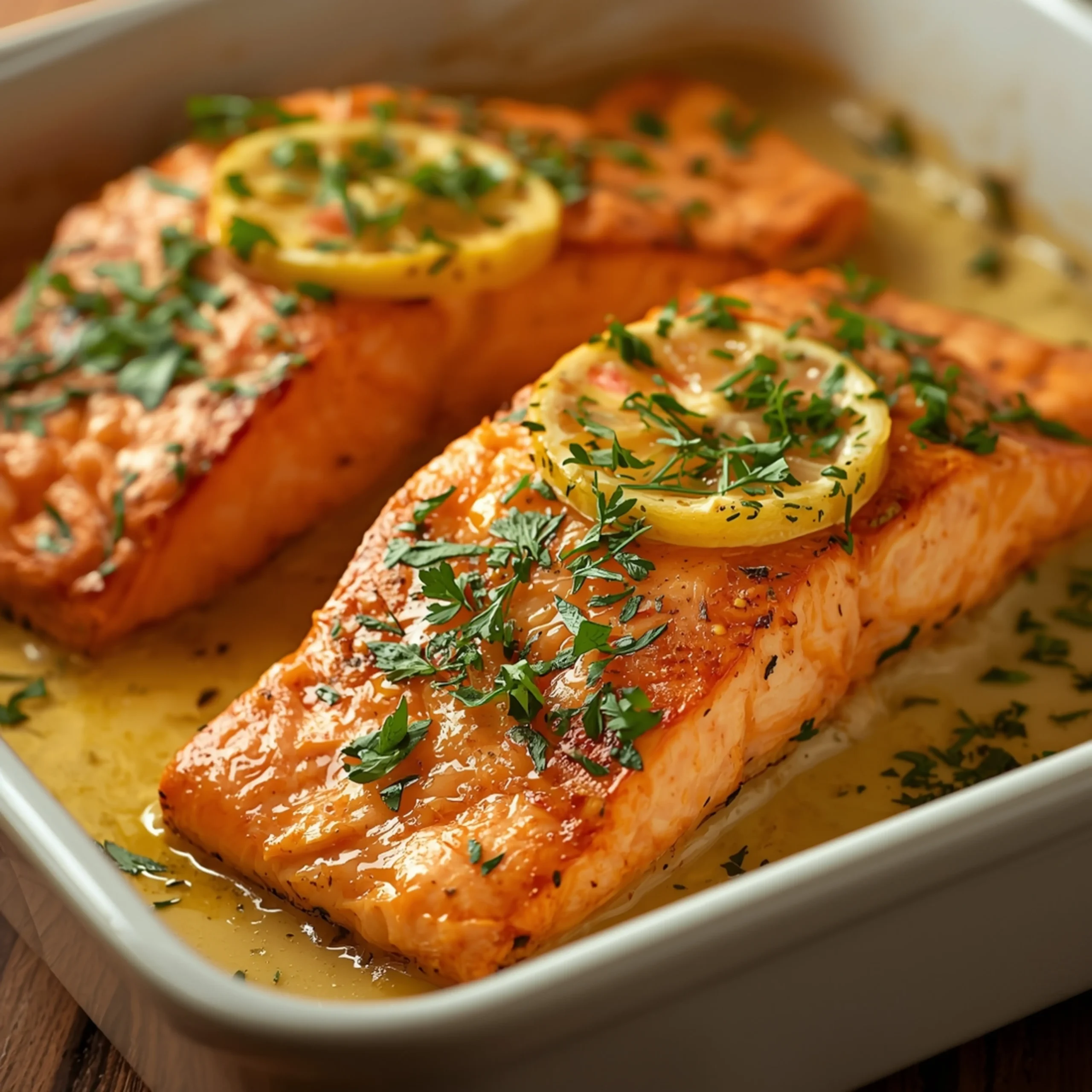
This recipe delivers perfectly flaky salmon and crisp-tender asparagus, all bathed in a bright lemon-garlic butter sauce. The best part? It all cooks on one pan, making cleanup practically nonexistent.
STEP-BY-STEP INSTRUCTIONS
Prep Time: 5 minutes
Cook Time: 12-15 minutes
Total Time: About 20 minutes
- Preheat & Prep: Preheat your oven to 400°F (200°C). Line a large, rimmed baking sheet with parchment paper for zero-stick cleanup.
- Arrange Asparagus: Snap the woody ends off the asparagus and spread them in a single layer on one side of the baking sheet. Drizzle with 1 tablespoon of olive oil, season with salt and pepper, and toss to coat.
- Position Salmon: Pat the salmon fillet dry with a paper towel—this is key for a good sear. Place it on the other side of the baking sheet, skin-side down if applicable.
- Create the Sauce: In a small bowl, melt the butter. Whisk in the minced garlic, lemon juice, and chopped fresh herbs (dill or parsley).
- Season the Salmon: Brush the lemon-garlic butter generously over the top and sides of the salmon fillet. Season liberally with salt and black pepper. Arrange the lemon slices on top of the salmon.
- Roast: Place the sheet pan in the preheated oven. Roast for 12-15 minutes. The exact time depends on your salmon’s thickness.
- Check for Doneness: The salmon is done when it flakes easily with a fork at its thickest point. The internal temperature should read 135-140°F (57-60°C) for medium. The asparagus should be bright green and tender.
- Serve Immediately: Garnish with extra fresh herbs and serve directly from the pan.
Why This Method Is a Weeknight Game-Changer
The sheet pan dinner isn’t just a trend; it’s an engineering marvel for the home kitchen. It streamlines the entire cooking process from prep to cleanup.
- High-Heat Roasting: Cooking at 400°F ensures the salmon cooks through quickly, staying moist and tender inside, while the asparagus gets a delicious, crisp-tender char without turning mushy.
- Synchronized Cooking: Salmon and asparagus have remarkably similar cooking times, making them ideal sheet pan partners. Everything finishes at the same time.
- Flavor Infusion: As everything roasts together, the aromatic steam from the lemon-garlic butter lightly infuses the asparagus, tying the entire dish together.
- Minimal Cleanup: Unlike a slow-simmered meal like my favorite Crock Pot Stuffed Pepper Soup, which develops flavor over hours, this dish delivers a flavor punch fast with only one pan to wash.
Choosing Your Salmon: A Quick Guide
The quality of your salmon makes a huge difference. You don’t need the most expensive cut, but knowing what to look for is key.
- Fillet Thickness: Aim for a center-cut fillet that is relatively uniform in thickness, about 1 to 1.5 inches thick. This promotes even cooking.
- Skin-On vs. Skin-Off: For this recipe, either works. Skin-on provides a barrier against the hot pan, helping to prevent the bottom from overcooking and keeping the flesh extra moist. Skin-off is convenient if you prefer not to deal with it at the table.
- Wild-Caught vs. Farm-Raised:
- Wild-Caught (like Sockeye or Coho): Generally leaner with a more robust, “fishier” flavor and a deeper red color. It cooks slightly faster due to its lower fat content.
- Farm-Raised (like Atlantic): Higher in fat, which makes it more forgiving to cook. It has a milder flavor and a softer, more buttery texture.
Beyond Asparagus: Perfect Vegetable Pairings
While asparagus is a classic, you can easily swap in other vegetables. The key is to match their cooking time to the salmon.
- Veggies that cook in 12-15 minutes:
- Broccoli Florets: Cut into small, bite-sized pieces.
- Green Beans: Trimmed.
- Zucchini or Yellow Squash: Sliced into ½-inch thick rounds or half-moons.
- Bell Peppers: Sliced thinly.
- Cherry Tomatoes: Left whole, they will burst and become jammy.
- Veggies that need a head start (Roast these for 10-15 minutes before adding the salmon):
- Baby Potatoes: Halved or quartered.
- Carrot Sticks: Sliced thinly.
- Brussels Sprouts: Halved.
Serving and Pairing Suggestions
This dish is a complete meal, but you can elevate it with simple sides that complement the bright, savory flavors.
- Grains: Serve over a bed of fluffy quinoa, couscous, or wild rice to soak up the delicious pan sauce.
- Salads: A simple green salad with a vinaigrette dressing adds a fresh, crisp element. For a unique twist, you could even pair it with a crunchy option like this Chicken Cashew Crunch Salad recipe (simply omit the chicken for a perfect side).
- Crusty Bread: Perfect for sopping up every last drop of the lemon-garlic butter from your plate.
After a healthy and light dinner like this, you’ve earned a treat. Consider whipping up a batch of these incredible Gooey Butter Cake Bars for a decadent dessert.
COMMON MISTAKES TO AVOID
- Mistake: Crowding the pan.
Fix: Use a large enough sheet pan so the vegetables have space. If they are packed too tightly, they will steam instead of roast, resulting in a soggy texture. Use two pans if necessary.
- Mistake: Overcooking the salmon.
Fix: Salmon cooks very quickly. Start checking it at the 12-minute mark. It’s done when it flakes easily with a fork. A little bit of translucency in the very center is perfect, as it will continue to cook from residual heat after you remove it from the oven.
- Mistake: Not patting the salmon dry.
Fix: Always use a paper towel to pat the fillet completely dry before adding any oil or sauce. A dry surface helps the salmon roast beautifully and allows the seasoning to adhere properly.
FAQ
-
Q: Can I use frozen salmon?
A: Yes, but you must thaw it completely first. The best way is to let it thaw overnight in the refrigerator. Before cooking, ensure it is fully thawed and pat it very dry with paper towels to remove excess moisture.
-
Q: How do I store and reheat leftovers?
A: Store leftovers in an airtight container in the refrigerator for up to 2 days. To reheat, warm it gently in a 275°F (135°C) oven for about 10-15 minutes, or until warmed through. Avoid the microwave, as it can make the salmon rubbery.
-
Q: What can I do with the leftover salmon?
A: Leftover flaked salmon is incredibly versatile! Mix it with Greek yogurt and herbs for a quick salmon salad, toss it with pasta and olive oil, or flake it over a fresh green salad for lunch the next day. Speaking of delicious meals for another day, if you find yourself planning a weekend brunch, this Brioche French Toast with Blueberry Compote is an absolute must-try.
NUTRITIONAL SNAPSHOT
Estimates are per serving, assuming 4 servings.
| Nutrient | Amount per Serving |
|---|---|
| Calories | 385 kcal |
| Protein | 35g |
| Fat | 25g |
| Net Carbs | 4g |
| Fiber | 3g |
| Sugar | 3g |
Easy Sheet Pan Lemon Garlic Salmon and Asparagus
This Sheet Pan Lemon Garlic Salmon is my go-to for a vibrant, healthy dinner that’s on the table in under 20 minutes. It delivers perfectly flaky salmon and crisp-tender asparagus, all bathed in a bright lemon-garlic butter sauce, with minimal cleanup.
Ingredients
- 1.5 lb salmon fillet, center-cut
- 1 bunch asparagus (about 1 lb)
- 2 tbsp olive oil, divided
- 4 tbsp unsalted butter, melted
- 4 cloves garlic, minced
- 1 lemon, juiced (about 3 tbsp) + 1 lemon, thinly sliced
- 2 tbsp fresh dill or parsley, chopped
- 1 tsp salt, or to taste
- 1/2 tsp black pepper, or to taste
Instructions
- Preheat your oven to 400°F (200°C). Line a large, rimmed baking sheet with parchment paper for zero-stick cleanup.
- Snap the woody ends off the asparagus and spread them in a single layer on one side of the baking sheet. Drizzle with 1 tablespoon of olive oil, season with salt and pepper, and toss to coat.
- Pat the salmon fillet dry with a paper towel—this is key for a good sear. Place it on the other side of the baking sheet, skin-side down if applicable.
- In a small bowl, melt the butter. Whisk in the minced garlic, lemon juice, and chopped fresh herbs (dill or parsley).
- Brush the lemon-garlic butter generously over the top and sides of the salmon fillet. Season liberally with salt and black pepper. Arrange the lemon slices on top of the salmon.
- Place the sheet pan in the preheated oven. Roast for 12-15 minutes. The exact time depends on your salmon's thickness.
- The salmon is done when it flakes easily with a fork at its thickest point. The internal temperature should read 135-140°F (57-60°C) for medium. The asparagus should be bright green and tender.
- Garnish with extra fresh herbs and serve directly from the pan.