Classic Slow Cooker Pot Roast: A Step-by-Step Guide
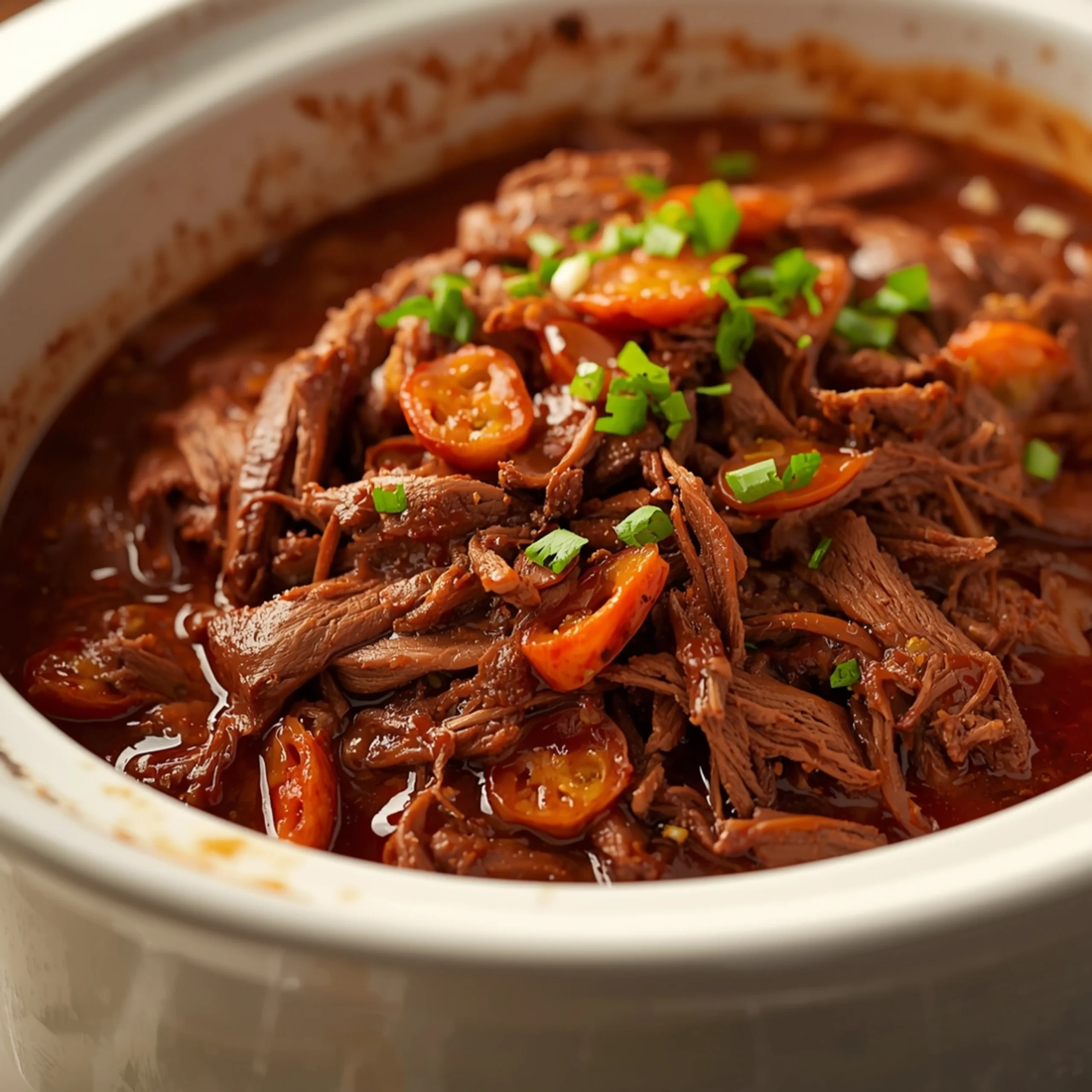
This slow cooker pot roast delivers fork-tender beef and a rich, savory gravy with minimal effort. It’s the ultimate comfort food for a Sunday dinner, and just as deeply satisfying as our rich and creamy loaded cauliflower soup. Let the crockpot do the work and come home to a meal that tastes like it simmered all day.
Why This Method Works: The Low-and-Slow Advantage
The magic of a great pot roast isn’t in a complex recipe; it’s in the method. Slow, moist heat is the key to transforming a tough, economical cut of beef into something extraordinary.
- Collagen Breakdown: Tough cuts like chuck roast are full of connective tissue (collagen). Low-and-slow cooking dissolves this collagen into rich, unctuous gelatin. This is what gives the meat its melt-in-your-mouth texture.
- Flavor Infusion: Cooking for hours in an aromatic broth allows the beef and vegetables to absorb every bit of flavor, creating a deeply savory and cohesive dish.
- Hands-Off Perfection: Once the initial prep is done, the slow cooker maintains the perfect, gentle temperature without any supervision.
The Best Beef for Pot Roast
The cut of beef you choose is the single most important factor. You want a cut with good marbling (intramuscular fat) and plenty of connective tissue.
- Chuck Roast (Top Pick): This is the gold standard. It comes from the shoulder and has the ideal fat-to-meat ratio, guaranteeing a juicy, flavorful result. Look for boneless chuck roast, shoulder steak, or chuck eye roast.
- Brisket: The point cut of a brisket is a fantastic choice, known for its rich fat cap that bastes the meat as it cooks.
- Bottom Round Roast: A leaner option from the rear leg. It has less fat, so it won’t be quite as succulent as chuck but is still a solid, budget-friendly choice.
The Secret to Deep Flavor: Searing is Non-Negotiable
Skipping the sear is the #1 mistake in slow cooking. That browned crust isn’t just for looks; it’s the foundation of the entire dish’s flavor.
- The Maillard Reaction: Searing the beef in a hot pan triggers the Maillard reaction, a chemical process between amino acids and sugars that creates hundreds of complex flavor compounds. This is what gives you that deep, roasted, savory taste.
- Building the Fond: As the meat sears, it leaves browned bits stuck to the bottom of the pan. This is called the “fond,” and it’s pure, concentrated flavor.
- Deglazing: Pouring liquid (like beef broth or red wine) into the hot pan to scrape up the fond is called deglazing. This releases all that flavor and incorporates it into your cooking liquid.
Step-by-Step Instructions
- Prepare the Beef: Pat the 3-4 lb chuck roast completely dry with paper towels. A dry surface is essential for a good sear. Season generously on all sides with salt and black pepper.
- Sear the Roast: Heat 2 tablespoons of olive oil in a large skillet or Dutch oven over medium-high heat. Once shimmering, carefully place the roast in the pan. Sear for 4-5 minutes per side, until a deep brown crust forms. Do not crowd the pan or move the meat too much. Transfer the seared roast to the slow cooker.
- Sauté the Aromatics: Reduce the heat to medium. Add the chopped onion, carrots, and celery to the same skillet. Cook for 5-7 minutes, until softened. Add the minced garlic and cook for another minute until fragrant.
- Deglaze the Pan: Pour 1 cup of beef broth into the skillet. Use a wooden spoon to scrape up all the browned bits from the bottom of the pan. Let the liquid simmer for 1-2 minutes.
- Assemble in Slow Cooker: Pour the onion mixture and deglazing liquid over the roast in the slow cooker. Add the remaining 2 cups of beef broth, Worcestershire sauce, tomato paste, bay leaves, and thyme.
- Cook Low and Slow: Cover the slow cooker and cook on LOW for 8-10 hours or on HIGH for 4-5 hours. Low is highly recommended for the most tender result. The roast is done when it shreds easily with a fork.
- Make the Gravy (Optional but Recommended): Remove the roast and vegetables from the slow cooker. Strain the remaining liquid into a saucepan. Bring to a simmer over medium heat. In a small bowl, whisk 2 tablespoons of cornstarch with 3 tablespoons of cold water to create a slurry. Slowly whisk the slurry into the simmering liquid. Cook for 2-3 minutes, stirring constantly, until the gravy has thickened. Season with salt and pepper to taste.
- Serve: Shred or slice the beef and serve hot, smothered in gravy with the cooked vegetables.
Serving and Storage Guide
Pot roast is a versatile centerpiece for a comforting meal.
- Classic Pairings: Serve over creamy mashed potatoes, buttery egg noodles, or with a side of crusty bread to soak up the gravy.
- For a Sweet Finish: A rich meal like this pairs beautifully with a simple, satisfying dessert. These classic churros with chocolate sauce are a perfect way to end the dinner.
- Leftover Magic: Leftover pot roast is a gift. Use it for hot beef sandwiches, shred it for tacos, or chop it up for a hearty breakfast hash with potatoes and a fried egg.
- Storage: Store leftovers in an airtight container in the refrigerator for up to 4 days. The flavors will continue to meld and often taste even better the next day.
While this beef roast is a weekend classic, for a quicker weeknight option, this effortless slow cooker asparagus stuffed chicken breast is another fantastic set-it-and-forget-it meal.
COMMON MISTAKES TO AVOID
- Mistake: The meat is tough.
- Fix: It’s likely undercooked. Even if it reaches a safe temperature, tough cuts need more time for the collagen to break down. If it’s not fork-tender, give it another hour or two on low.
- Mistake: The gravy is bland.
- Fix: You skipped the sear or didn’t season enough. Always sear the meat, and be sure to taste and adjust the gravy with salt and pepper right before serving. A splash of Worcestershire sauce or balsamic vinegar can also add depth.
- Mistake: The vegetables turned to mush.
- Fix: If using softer vegetables like potatoes, add them during the last 2-3 hours of cooking. Hearty root vegetables like carrots and onions can handle the full cooking time.
FAQ
Q: Can I put frozen beef directly into the slow cooker?
A: It’s not recommended. For food safety, meat needs to move through the “danger zone” (40°F – 140°F) quickly. A frozen roast will spend too long at unsafe temperatures. Always thaw your roast completely first.
Q: Can I add potatoes directly to the pot?
A: Absolutely. Add 1.5 lbs of quartered Yukon Gold or red potatoes to the slow cooker with the other vegetables. They will soak up the flavor beautifully.
Q: How do I know when the pot roast is truly done?
A: The fork test is more important than temperature. A pot roast is ready when it is exceptionally tender and easily pulls apart with a fork. If you meet any resistance, it needs more time. For another fantastic weeknight dinner idea that comes together quickly, you might enjoy this creamy cajun chicken pasta recipe.
NUTRITIONAL SNAPSHOT
| Nutrient | Amount per Serving |
|---|---|
| Calories | 485 kcal |
| Protein | 45g |
| Fat | 28g |
| Net Carbs | 10g |
| Fiber | 2g |
| Sugar | 6g |
Classic Slow Cooker Pot Roast: A Step-by-Step Guide
Ingredients
- 3-4 lb boneless beef chuck roast
- 2 tbsp olive oil
- 1 large yellow onion (chopped)
- 3 large carrots (peeled and cut into 2-inch chunks)
- 3 celery stalks (cut into 2-inch chunks)
- 4 cloves garlic (minced)
- 3 cups low-sodium beef broth
- 2 tbsp tomato paste
- 1 tbsp Worcestershire sauce
- 2 sprigs fresh thyme
- 2 bay leaves
- Salt and freshly ground black pepper to taste
- 2 tbsp cornstarch (for gravy)
- 3 tbsp cold water (for gravy)