Fresh and Flavorful Spring Pasta Primavera Recipe for Home Cooks
Spring Pasta Primavera is a light, vibrant dish perfect for a quick weeknight dinner or an impressive seasonal meal. If you enjoy easy, comforting recipes like flavorful crockpot Korean beef tacos, you’ll love how this pasta blends fresh vegetables and simple pantry staples for maximum taste without fuss.
This guide will walk you through every step to create a perfectly balanced Spring Pasta Primavera, highlighting tips for texture, timing, and ingredient swaps. Plus, it includes helpful SEO-friendly keywords and links to other inspiring recipes to expand your culinary repertoire.
Step-by-Step Instructions for Spring Pasta Primavera
- Prepare the ingredients
- Chop an assortment of fresh spring vegetables such as asparagus, peas, cherry tomatoes, zucchini, and bell peppers into bite-sized pieces.
- Mince garlic and finely slice onions for a flavorful base.
- Cook the pasta
- Boil your choice of pasta (penne, farfalle, or linguine work well) in salted water until al dente. This usually takes 8–10 minutes. Drain and reserve ½ cup of pasta water.
- Sauté the vegetables
- Heat olive oil in a large skillet over medium heat.
- Add garlic and onions; cook until fragrant (about 1 minute).
- Toss in the firmer vegetables like asparagus and bell peppers; sauté for 3–4 minutes until tender-crisp.
- Add quicker-cooking veggies such as peas and tomatoes; sauté for another 2 minutes.
- Combine pasta and sauce
- Add the cooked pasta to the skillet with vegetables.
- Stir in fresh herbs (basil, parsley), lemon zest, and juice.
- Pour reserved pasta water slowly to create a light sauce that clings perfectly to the pasta.
- Season with salt, pepper, and a pinch of red pepper flakes for subtle heat.
- Finish and serve
- Top with a generous sprinkle of grated Parmesan or pecorino cheese.
- Serve immediately for best texture and freshness.
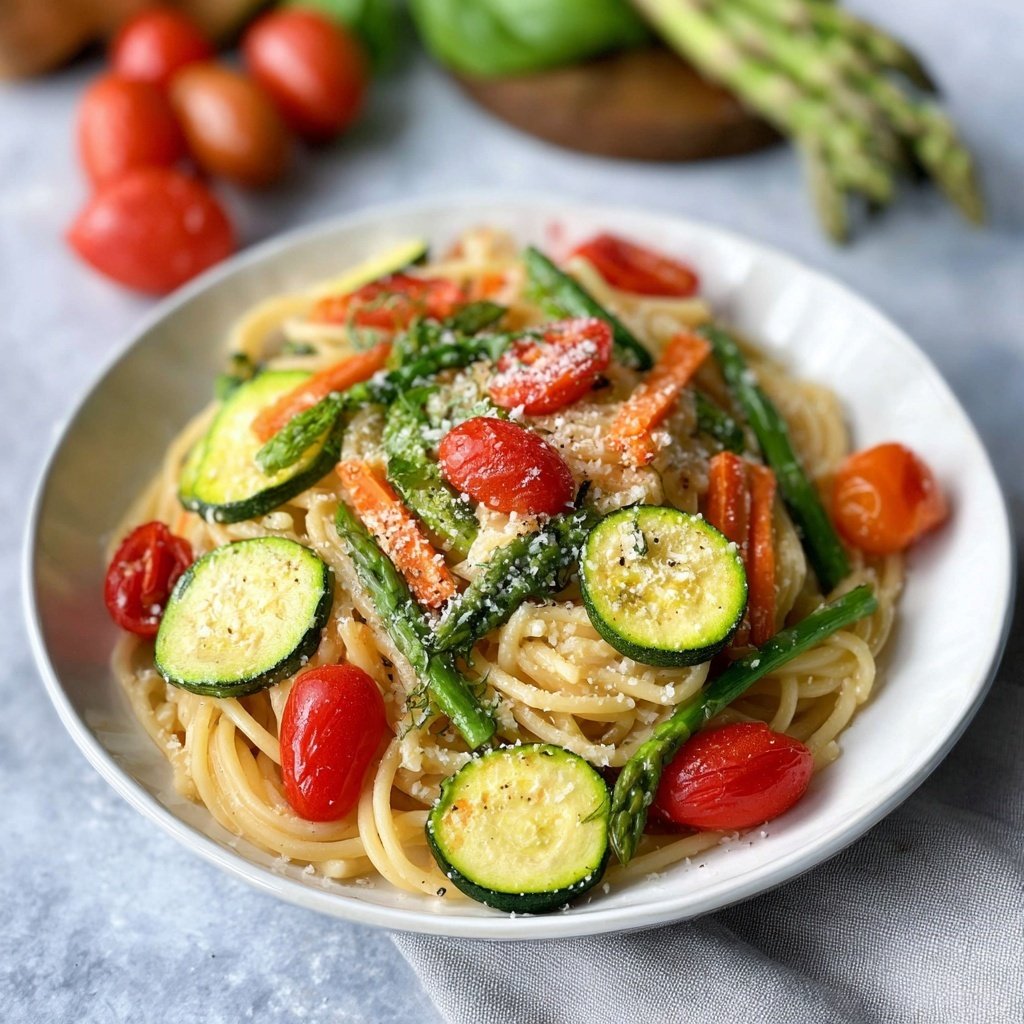
Best Vegetables to Use in Spring Pasta Primavera
- Asparagus: tender, slightly crunchy texture.
- English peas or snap peas: natural sweetness.
- Cherry tomatoes: add juicy bursts.
- Zucchini or yellow squash: mild and softens quickly.
- Bell peppers: vibrant color and slight crisp.
- Fresh spinach or arugula: stir in last for a peppery finish.
Choose vegetables that are in season and fresh to enhance the natural spring flavors of this dish.
How to Customize Your Spring Pasta Primavera
- Protein add-ons:
- Grilled chicken or shrimp elevate this dish for a heartier meal.
- Use leftover creamy chicken ricotta meatballs as a protein topping.
- Sauce variations:
- Incorporate a splash of white wine or vegetable broth during sautéing for depth.
- Stir in a dollop of ricotta or mascarpone for creaminess.
- Pasta alternatives:
- Try whole wheat, gluten-free, or chickpea pasta to fit dietary needs.
- Spiralized vegetables like zucchini noodles keep it low carb.
Tips for Preparing Pasta Perfectly Every Time
- Use plenty of salted boiling water for even cooking.
- Always taste the pasta a minute before recommended cooking time to avoid mushiness.
- Reserve pasta water to adjust sauce consistency without watering down flavors.
- Immediately toss cooked pasta with sauce to prevent sticking.
This professionalism in pasta technique ensures a perfectly textured Spring Pasta Primavera every time.
Common Mistakes to Avoid
- Mistake: Overcooking the pasta and vegetables leading to mushy texture.
Fix: Cook pasta al dente; sauté vegetables just until tender-crisp.
- Mistake: Skipping salted water for boiling pasta.
Fix: Always season your boiling water generously to enhance pasta flavor.
- Mistake: Adding all vegetables at once without considering cooking time differences.
Fix: Add firmer vegetables first, delicate ones later to maintain texture contrast.
FAQ
Q: Can I make Spring Pasta Primavera ahead of time?
A: It’s best served fresh for optimal texture. If needed, store pasta and vegetables separately, then combine and reheat gently.
Q: What cheese works best for Spring Pasta Primavera?
A: Parmesan or pecorino Romano are classic. For a creamy option, try adding ricotta.
Q: How can I add protein to this pasta without changing the flavor too much?
A: Grilled shrimp or chicken work well. Learn how to make vibrant salmon rice bowls to complement your meals here.
Nutritional Snapshot
| Nutrient | Amount per Serving |
|---|---|
| Calories | 350 kcal |
| Protein | 12 g |
| Fat | 8 g |
| Net Carbs | 50 g |
| Fiber | 6 g |
| Sugar | 7 g |
Conclusion
Spring Pasta Primavera is a bright, easy way to enjoy seasonal flavors without complicated prep or ingredients. Whether you want a fresh vegetarian meal or a base for protein additions, this recipe adapts flexibly. For more flavorful, simple meal ideas, check out this blackened shrimp bowl recipe that pairs naturally with spring veggies. Don’t forget to leave a comment, share with friends, and subscribe for new recipes every week!
Fresh and Flavorful Spring Pasta Primavera Recipe for Home Cooks
Ingredients
- 12 oz pasta (penne, farfalle, or linguine)
- 1 cup asparagus, trimmed and cut
- 1 cup snap peas or fresh peas
- 1 cup cherry tomatoes, halved
- 1 small zucchini, sliced
- 1 red bell pepper, diced
- 3 cloves garlic, minced
- 1 small onion, finely chopped
- 3 tbsp olive oil
- ½ cup fresh basil leaves, chopped
- ½ cup fresh parsley, chopped
- Zest and juice of 1 lemon
- Salt and pepper to taste
- Red pepper flakes (optional)
- ¼ cup grated Parmesan or Pecorino Romano cheese