
How to Tackle a Messy Kitchen After Cooking: Effective Cleanup Tips
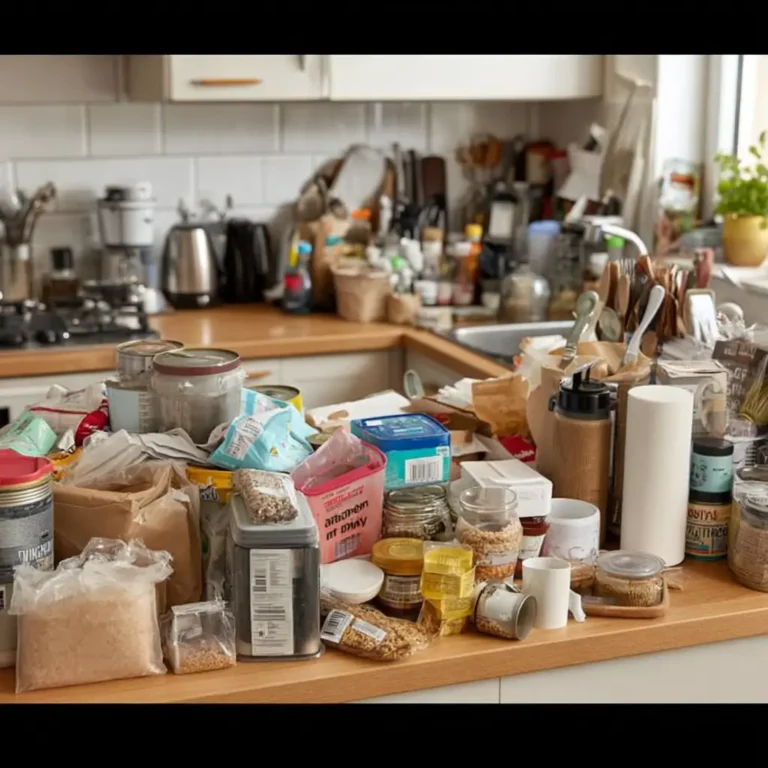
Cooking can be a delightful experience, but it often leaves behind a messy kitchen that can feel overwhelming. Pots, pans, utensils, and food scraps can quickly accumulate, making the cleanup process seem daunting. However, with some effective strategies and tips, you can streamline your post-cooking cleanup and maintain a tidy kitchen. Here’s how to tackle a messy kitchen after cooking.
1. Prepare Before You Cook
Set Yourself Up for Success
Taking a few moments to prepare before you start cooking can significantly reduce mess:
- Mise en Place: Gather all your ingredients and tools before you begin. This not only helps with organization but also minimizes the number of items you need to clean afterward.
- Use Prep Bowls: Place ingredients in separate bowls to keep everything organized and reduce spills during cooking.
Tip
Keep a trash bowl on the counter to collect food scraps as you go, making disposal easier later.
2. Clean as You Go
Maintain Order
Cleaning while you cook can prevent a massive mess from accumulating:
- Wash Utensils and Bowls: As you finish using each utensil or bowl, wash them immediately or place them in the sink to soak.
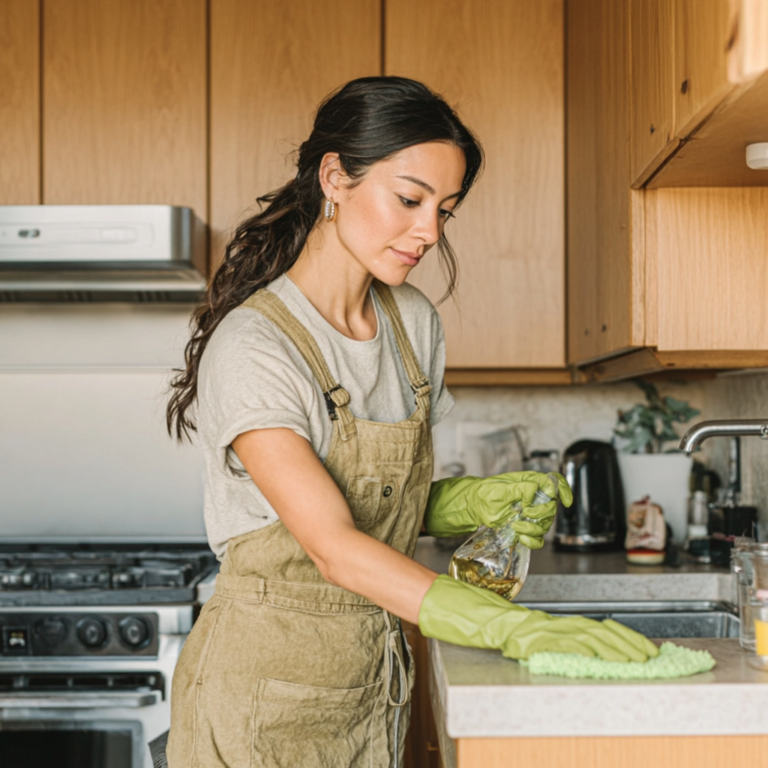
- Wipe Down Surfaces: Use a damp cloth to wipe down countertops and stovetops as you cook. This prevents spills from hardening and makes cleanup easier.
Tip
Keep a spray bottle with a mild cleaning solution handy for quick cleanups during cooking.
3. Tackle the Dishes Efficiently
Create a System
After cooking, having an efficient system for tackling dishes can save time:
- Sort Dishes: Start by sorting dishes into categories: pots, pans, utensils, and plates. This makes it easier to tackle each group systematically.
- Soak Stubborn Items: For pots and pans with stuck-on food, fill them with hot, soapy water and let them soak while you clean other items.
Tip
If you have a dishwasher, load it immediately after sorting to keep the kitchen clean and organized.
4. Organize the Cleanup Process
Step-by-Step Approach
Breaking down the cleanup process into manageable steps can make it less overwhelming:
- Clear the Table and Counters: Start by removing any items from the table or counters that don’t belong.
- Wash or Load Dishes: Begin washing dishes or loading them into the dishwasher. Focus on high-use items first, like plates and utensils.
- Clean Appliances: Wipe down the stove, microwave, and any other used appliances with a suitable cleaner.
- Sweep or Vacuum: Once the counters and dishes are clean, sweep or vacuum the floor to remove any crumbs or spills.
Tip
Set a timer for each task to keep yourself motivated and focused on completing the cleanup efficiently.
5. Deep Clean Regularly
Maintain a Clean Kitchen
In addition to daily cleaning, regular deep cleaning can help keep your kitchen in top shape:
- Schedule a Deep Clean: Set aside time weekly or monthly for deep cleaning tasks, such as scrubbing floors, cleaning out the refrigerator, and organizing cabinets.
- Focus on Hidden Areas: Don’t forget to clean behind appliances and in hard-to-reach areas where dirt and grime can accumulate.
Tip
Create a checklist for deep cleaning tasks to ensure nothing is overlooked.
6. Involve the Family
Share the Responsibility
Cleaning up can be a team effort, making the process faster and more enjoyable:
- Assign Tasks: If you’re cooking for family or friends, involve them in the cleanup process by assigning specific tasks.
- Make It Fun: Play music or turn on a podcast to make the cleanup feel less like a chore.
Tip
Consider implementing a cleaning rotation if you live with others to ensure everyone contributes to maintaining a clean kitchen.
7. Practice Mindfulness in Cooking
Stay Focused
Being mindful while cooking can help reduce mess:
- Concentrate on One Task at a Time: Focus on completing one step before moving on to the next, which can help minimize spills and accidents.
- Control Portions: Avoid overfilling pots and pans to reduce the likelihood of spills.
Tip
Take breaks if needed to maintain focus and prevent rushing, which can lead to messier cooking.
Conclusion
A messy kitchen after cooking doesn’t have to be a daunting problem. By preparing in advance, cleaning as you go, and implementing a systematic approach to cleanup, you can maintain a tidy kitchen effortlessly. Regular deep cleaning and involving others in the process can also contribute to a more organized cooking environment. With these tips, you’ll be able to enjoy cooking without the stress of a messy kitchen! Happy cooking and cleaning!