Lemon Butter Garlic Shrimp Pasta: A 30-Minute Guide
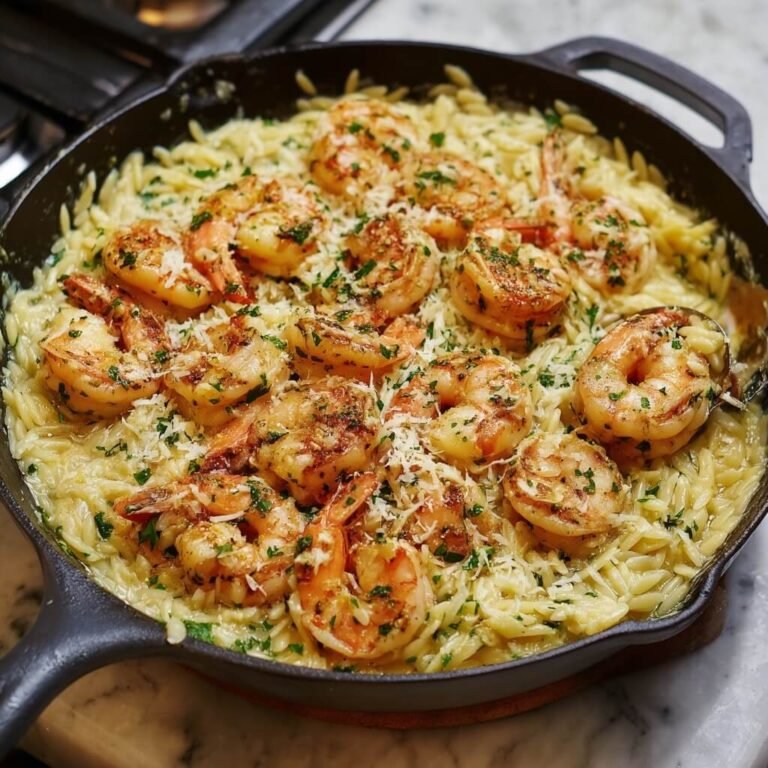
This lemon butter garlic shrimp pasta delivers a restaurant-quality meal in under 30 minutes, using one pan for the sauce. The bright, zesty garlic butter sauce coats every strand of pasta for a ridiculously flavorful finish. For another one-pan seafood favorite, our Easy Lemon Garlic Shrimp and Orzo is a must-try.
STEP-BY-STEP INSTRUCTIONS
- Prep Time:
- 10 mins
- Cook Time:
- 20 mins
- Total Time:
- 30 mins
- Boil Pasta: Cook 1 lb of linguine in a large pot of heavily salted water according to package directions until al dente. Critical Step: Before draining, reserve at least 1 cup of the starchy pasta water. Drain the pasta and set aside.
- Sauté Aromatics: While pasta cooks, heat 1 tbsp olive oil and 3 tbsp butter in a large skillet or pan over medium heat. Add 6 minced garlic cloves and 1/2 tsp red pepper flakes. Cook for 60 seconds until fragrant, stirring constantly to prevent burning.
- Deglaze the Pan: Pour in 1/4 cup of dry white wine (or chicken broth) to deglaze, scraping up any browned bits from the bottom of the pan. Let it simmer and reduce by about half, which takes 1-2 minutes.
- Cook the Shrimp: Add 1 lb of peeled and deveined shrimp to the skillet. Season generously with salt and pepper. Cook for 2-3 minutes, flipping halfway, until they are pink and opaque. Do not overcook.
- Build the Sauce: Remove the skillet from the heat. Add the remaining 3 tbsp of butter, the zest of one lemon, and the juice of that lemon. Stir until the butter is fully melted.
- Combine & Emulsify: Add the drained pasta directly to the skillet with the shrimp and sauce. Toss thoroughly. Add 1/4 cup of the reserved pasta water and toss vigorously. The starch in the water will help the sauce cling to the pasta, creating a creamy, emulsified coating. Add more pasta water, one tablespoon at a time, until you reach your desired sauce consistency.
- Finish & Serve: Stir in 1/4 cup of chopped fresh parsley and 1/2 cup of grated Parmesan cheese. Toss one final time. Serve immediately, garnished with extra parsley and Parmesan.
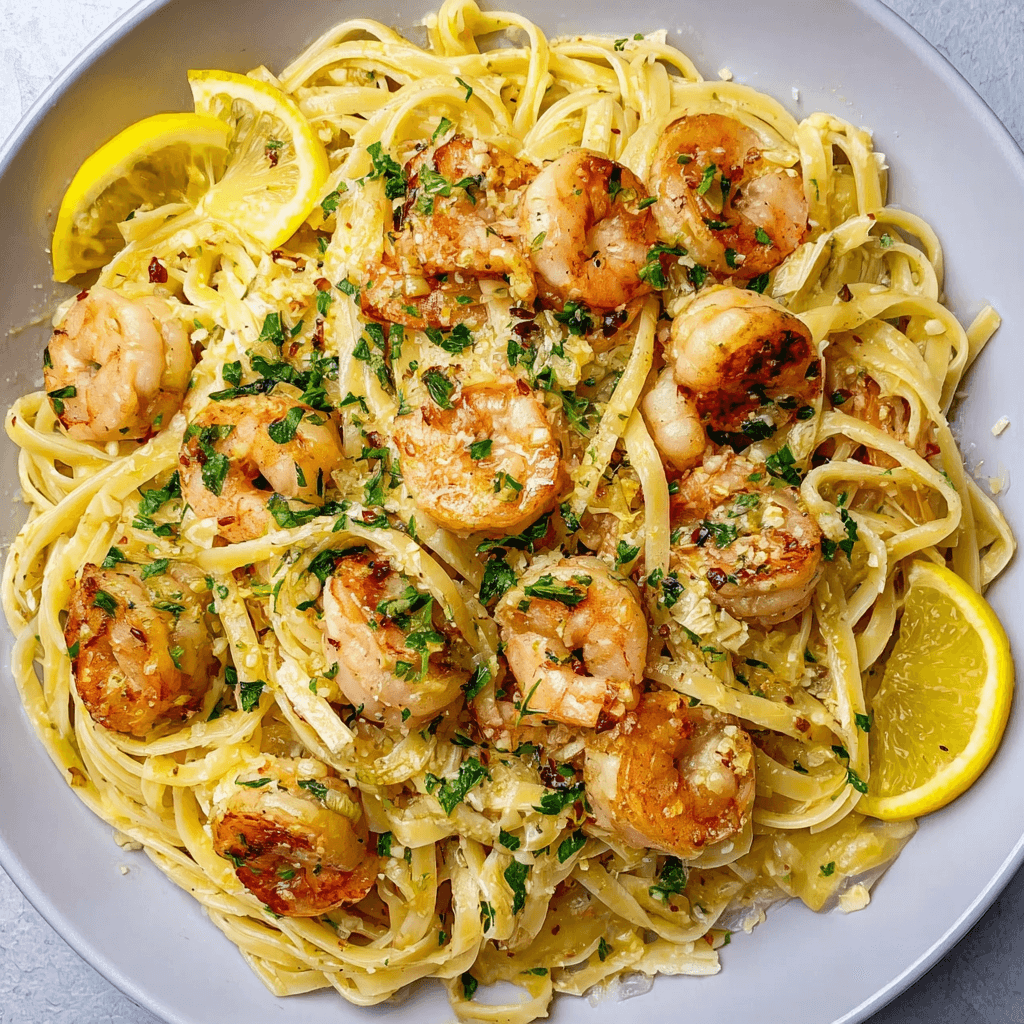
The Flavor Trifecta: Why Lemon, Butter, & Garlic Work
This dish relies on a classic culinary trio. Understanding their roles helps you master the recipe.
- Butter (The Foundation): Provides a rich, creamy base. The milk solids in butter toast gently with the garlic, adding nutty depth that oil alone can’t achieve.
- Garlic (The Aromatic): Infuses the butter with a pungent, savory aroma. Sautéing it briefly mellows its raw bite into a sweet, complex flavor.
- Lemon (The Counterpoint): Acidity is essential. The lemon juice cuts through the richness of the butter, preventing the dish from feeling heavy. The zest adds a bright, floral fragrance without adding sourness.
Selecting Your Core Components
The quality of your three main ingredients directly impacts the final result.
Shrimp:
- Size: Use large or jumbo shrimp (16-25 count per pound). They remain juicy and have a satisfying bite.
- Type: Raw, deveined shrimp (fresh or frozen-then-thawed) are best. Pre-cooked shrimp will become rubbery and tough when reheated in the sauce.
Pasta:
- Shape: Long pasta like linguine, spaghetti, or fettuccine is ideal. The long strands provide maximum surface area for the buttery sauce to cling to.
- Don’t Rinse: Never rinse your pasta after draining. The surface starch is a key ingredient for thickening and emulsifying your sauce.
Lemon:
- Fresh is Non-Negotiable: Use a fresh lemon. Bottled juice is overly acidic and lacks the aromatic oils found in fresh zest. The zest contributes about 50% of the dish’s bright, citrusy character.
Pro-Level Sauce Emulsification
The secret to a glossy, creamy sauce that isn’t a pool of oil is emulsification. This is the process of blending fat (butter) and liquid (lemon juice, pasta water) into a stable mixture.
- The Power of Starch: The water you boiled your pasta in is loaded with starch. This starch acts as a natural emulsifier and thickener.
- The Technique: When you add the hot pasta water to the pan and toss vigorously, the starch molecules help bind the butter and lemon juice together.
- Control the Heat: Combine the sauce off the heat. If the butter gets too hot, it will “break” or separate, resulting in a greasy texture. Add the pasta water slowly until the sauce beautifully coats the noodles.
Variations & Upgrades
Use this recipe as a base and customize it to your liking.
- Add Vegetables: Toss in a few handfuls of fresh spinach or arugula at the very end and let it wilt. Sautéed asparagus, mushrooms, or sun-dried tomatoes also work well.
- Increase the Heat: Double the red pepper flakes or add a finely chopped chili for a spicier kick.
- Make it Creamy: For a richer sauce, add 1/4 cup of heavy cream or full-fat coconut milk along with the lemon juice.
- Try Another Flavor Profile: If you enjoy exploring different pasta sauces, this Creamy Roasted Red Pepper Pasta offers a completely different but equally delicious experience.
Serving & Pairing Recommendations
This dish is a complete meal, but a few simple additions can elevate it.
- Bread: A crusty baguette is essential for soaking up any leftover sauce. Our Easy Homemade Cheesy Breadsticks are engineered for exactly this purpose.
- Salad: A simple green salad with a light vinaigrette provides a fresh, crisp contrast to the rich pasta.
- Wine: Pair with a crisp, dry white wine like Sauvignon Blanc, Pinot Grigio, or an unoaked Chardonnay. The wine’s acidity complements the lemon in the dish.
COMMON MISTAKES TO AVOID
- Mistake: Overcooking the shrimp. Shrimp cook in 2-3 minutes. If you cook them longer, they become tough and rubbery.
- Fix: Cook shrimp until they are just pink and opaque. They will continue to cook slightly from the residual heat of the pasta and sauce.
- Mistake: Discarding all the pasta water. This starchy “liquid gold” is the key to a silky, non-oily sauce.
- Fix: Always reserve at least 1 cup of pasta water before you drain the pasta. You may not use it all, but it’s crucial to have it ready.
- Mistake: Using bottled lemon juice. It’s too harsh and lacks the aromatic oils from fresh zest, resulting in a one-dimensional, sour flavor.
- Fix: Always use a fresh lemon for both its zest and juice. It makes a significant difference.
FAQ
Q: Can I use frozen shrimp?
A: Absolutely. Thaw them completely before cooking. Pat them very dry with a paper towel to ensure they sear nicely instead of steaming in the pan.
Q: How can I make this gluten-free?
A: Simply substitute your favorite gluten-free pasta. Follow the package instructions for cooking, and be sure to reserve the starchy pasta water as it is equally important for the sauce.
Q: What’s a good dessert to serve after this light pasta dish?
A: To keep things elegant and simple, a no-bake dessert is a great choice. For a sophisticated finish, consider making these Tiramisu Truffles, which complement the meal perfectly.
NUTRITIONAL SNAPSHOT
| Nutrient | Amount per Serving |
|---|---|
| Calories | 580 kcal |
| Protein | 28g |
| Fat | 22g |
| Net Carbs | 65g |
| Fiber | 4g |
| Sugar | 3g |
Estimates are based on a 4-serving yield.
Lemon Butter Garlic Shrimp Pasta: A 30-Minute Guide
Ingredients
- 1 lb Linguine
- 1 lb Large Shrimp, peeled and deveined
- 6 tbsp Unsalted Butter, divided
- 6 cloves minced Garlic
- 1 tbsp Olive Oil
- 1/4 cup Dry White Wine (e.g., Pinot Grigio) or Chicken Broth
- 1 Large Lemon (for zest and juice)
- 1/2 tsp Red Pepper Flakes (or to taste)
- 1/4 cup chopped Fresh Parsley
- 1/2 cup Grated Parmesan Cheese, plus more for serving
- Salt, to taste
- Black Pepper, to taste