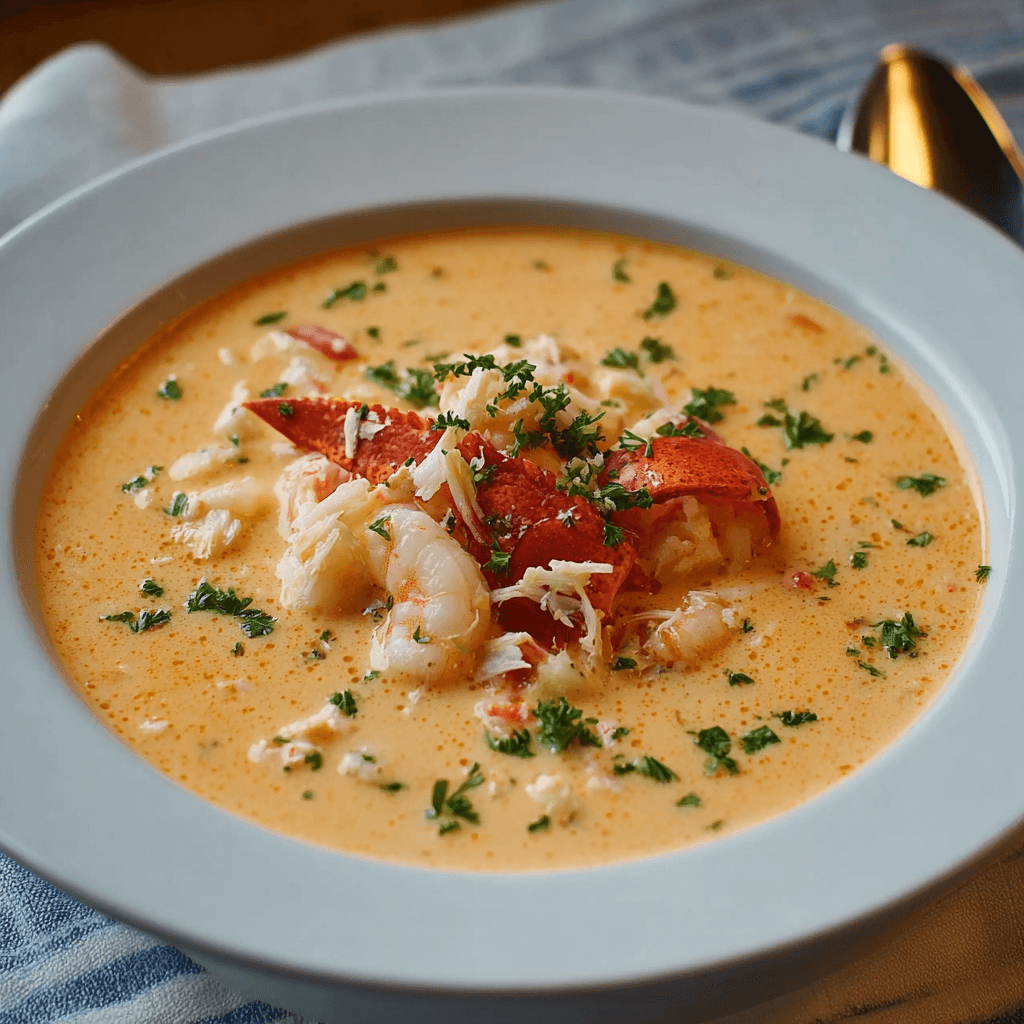
Rich Crab and Shrimp Bisque: A Stovetop Recipe for Velvety Soup
This rich, velvety crab and shrimp bisque delivers a luxurious, restaurant-quality experience in under 45 minutes. While my kitchen often relies on the set-and-forget magic of a slow cooker for meals like a hearty Crock Pot White Chicken Chili, this stovetop bisque is my go-to for elegant, fast comfort. Its deep seafood flavor and creamy texture make it a standout dish for any occasion.
Why This Method Excels
While the crockpot is a master of low-and-slow cooking, a delicate bisque thrives on the precise, high-heat control of the stovetop.
- Flavor Development: Sautéing the aromatics (shallots, garlic) in butter creates a deep, foundational flavor base that a slow cooker can’t replicate.
- Texture Control: A roux (butter and flour paste) is toasted on the stovetop to thicken the soup perfectly without any graininess.
- Seafood Integrity: Delicate crab and shrimp require only a minute or two of heat. Adding them at the end on the stovetop ensures they remain tender and succulent, not tough or rubbery.
Ingredient Deep Dive: Selecting Your Seafood
The quality of your bisque is directly tied to the quality of your seafood. Here’s what to look for.
- For the Crab:
- Lump Crab Meat: The best choice. Provides large, satisfying pieces with a sweet, clean flavor. It’s worth the splurge.
- Claw Meat: More economical and has a bolder, “crabbier” flavor. A good alternative if lump is unavailable.
- Canned vs. Fresh: Fresh, pasteurized crab from the refrigerated section is superior. If using canned, drain it very well and gently flake it.
- For the Shrimp:
- Raw is Best: Using raw shrimp allows them to cook perfectly in the final minutes, infusing their flavor into the soup.
- Size: Small or medium shrimp (51/60 or 41/50 count per pound) are ideal. They integrate well without needing to be chopped too much.
- Peel and Devein: Always buy peeled and deveined shrimp, or do it yourself, to save time and avoid gritty texture.
The Key to Velvety Smoothness
Two techniques are non-negotiable for achieving that signature silky bisque texture.
- The Roux: This is a classic French thickening agent made from equal parts fat (butter) and flour. By cooking the flour in the butter for a minute, you eliminate the raw flour taste and create a powerful base that gives the bisque its body and creamy consistency. Don’t skip this step.
- The Blend: For a truly smooth soup, you must blend the base before adding the seafood.
- Immersion Blender: The easiest method. Simply insert it directly into the pot and blend until smooth.
- Standard Blender: Let the soup cool slightly. Blend in batches, never filling the blender more than halfway. Remove the plastic center cap from the lid and cover the opening with a folded kitchen towel to allow steam to escape safely.
Step-by-Step Instructions
- Sauté Aromatics: In a Dutch oven or heavy-bottomed pot over medium heat, melt the butter. Add the minced shallot and celery. Cook, stirring occasionally, until softened, about 5-6 minutes. Add the minced garlic and cook for one more minute until fragrant.
- Build the Base: Sprinkle the flour over the vegetables. Cook, stirring constantly, for 1-2 minutes to cook out the raw flour taste. This is your roux.
- Deglaze and Simmer: While stirring, pour in the dry sherry to deglaze the pot, scraping up any browned bits from the bottom. Let it bubble for 30 seconds. Whisk in the tomato paste until smooth, then slowly pour in the seafood stock.
- Develop Flavor: Bring the mixture to a low simmer. Add the paprika, a pinch of cayenne (if using), salt, and pepper. Reduce heat to low, cover partially, and let it gently simmer for 15 minutes to allow flavors to meld.
- Blend Until Silky: Remove the pot from the heat. Use an immersion blender to purée the soup until completely smooth. Alternatively, carefully transfer the soup to a standard blender (in batches) and blend until velvety, then return it to the pot.
- Add Cream and Seafood: Place the pot back over low heat. Slowly stir in the heavy cream until fully incorporated. Do not let the soup boil after adding the cream. Add the chopped raw shrimp and lump crab meat.
- Final Touches: Stir gently and cook for just 2-3 minutes, until the shrimp is pink and opaque. The soup should be hot but not simmering. Taste and adjust seasoning with more salt and pepper if needed.
- Serve Immediately: Ladle the hot bisque into bowls. Garnish with fresh chives or parsley and serve with crusty bread for dipping.
Flavor Elevation: Garnish & Pairings
A rich bisque shines with simple, elegant accompaniments. While it’s a completely different flavor profile, the goal is the same as with my Crockpot French Dip—let the main dish be the star.
- Top-Tier Garnishes:
- Fresh Herbs: Finely chopped chives, parsley, or tarragon.
- Crunch: Toasted croutons or a sprinkle of oyster crackers.
- Richness: A small drizzle of high-quality olive oil or a dollop of crème fraîche.
- Heat: A few drops of your favorite chili oil.
- Perfect Pairings:
- Crusty Bread: A simple baguette or sourdough is essential for soaking up every last drop.
- Simple Green Salad: A lightly dressed arugula or mixed green salad cuts through the richness. For a more substantial side, consider a light protein salad like this Chicken Cashew Crunch Salad recipe, just focus on the fresh, crunchy elements.
For those looking to expand their repertoire of elegant yet straightforward meals, these Honey Orange Glazed Pork Chops also offer a wonderful balance of savory and sweet flavors.
COMMON MISTAKES TO AVOID
Mistake: Overcooking the seafood. This is the #1 error. Shrimp becomes rubbery and crab becomes stringy.
Fix: Add the crab and raw shrimp at the very end, with the heat on low. They only need 2-3 minutes to cook through in the hot liquid.
Mistake: A gritty or broken soup. This happens if you boil the soup after adding dairy or don’t blend it properly.
Fix: Never let the bisque boil once the cream is added. Keep it at a gentle, low heat. Blend the base thoroughly before adding the cream and seafood.
Mistake: A bland, one-dimensional bisque. The soup lacks depth and tastes only of cream.
Fix: Don’t skip the foundational flavor-builders: sautéing the aromatics, toasting the roux, and deglazing with sherry. Each step adds a critical layer of flavor.
FAQ
Q: Can I make this bisque ahead of time?
A: Yes. Prepare the soup through step 5 (blending the base). Cool and refrigerate for up to 2 days. When ready to serve, gently reheat on the stovetop over low heat, then proceed with step 6 by adding the cream and seafood.
Q: What can I substitute for the sherry?
A: A dry white wine like Sauvignon Blanc or Pinot Grigio is a great substitute. For an alcohol-free version, you can use an extra 1/4 cup of seafood stock with a teaspoon of lemon juice or white wine vinegar.
Q: Can I use frozen seafood?
A: Absolutely. Thaw the shrimp completely before using. For frozen crab, thaw and press gently between paper towels to remove excess water before adding it to the soup.
NUTRITIONAL SNAPSHOT
| Nutrient | Amount per Serving |
|---|---|
| Calories | 480 kcal |
| Protein | 22g |
| Fat | 38g |
| Net Carbs | 8g |
| Fiber | 1g |
| Sugar | 3g |
If you’re interested in other savory dishes, this Winter Vegetable Frittata recipe is another excellent way to create a satisfying meal with simple ingredients.
Rich Crab and Shrimp Bisque: A Stovetop Recipe for Velvety Soup
Ingredients
- 4 tbsp Butter
- 1 large shallot, minced
- 3 cloves garlic, minced
- 1 stalk celery, finely chopped
- 1/4 cup all-purpose flour
- 1/4 cup dry sherry
- 4 cups seafood or vegetable stock
- 2 tbsp tomato paste
- 1.5 cups heavy cream
- 8 oz lump crab meat, picked over for shells
- 8 oz raw shrimp, peeled, deveined, and roughly chopped
- Salt & black pepper, to taste
- 1/2 tsp paprika
- A pinch cayenne pepper (optional)
- Fresh chives or parsley for garnish