Why Your Steak Isn’t Juicy Like Restaurant Steak — Fix It with These Proven Tips
If you’ve ever wondered why your steak isn’t juicy like restaurant steak, you’re not alone. Many home cooks struggle to achieve that perfect, tender, and flavorful bite every time. Understanding the science and techniques behind juicy steak can transform your meals from dry and tough to mouth-wateringly succulent. For easy, reliable meals, check out my easy honey garlic chicken recipe for tender flavorful crockpot meals where simple ingredients shine.
Juiciness comes down to proper preparation, cooking method, and rest. Whether you prefer pan-searing, grilling, or slow cooking, mastering the basics is essential. This guide will help you uncover key reasons your steak lacks juiciness and what to do about it. Plus, if you want to explore more home-cooked dishes, my high protein low carb steak fajita bowl recipe offers great ideas for juicy steak in creative meals.
Step-by-Step Instructions to Achieve Juicy Steak
- Choose the Right Cut
- Opt for cuts with marbling like ribeye, strip steak, or sirloin.
- Well-marbled meat stays juicy because fat melts into the muscle.
- Dry Your Steak and Season Generously
- Pat steak dry with paper towels before seasoning.
- Use kosher salt and freshly ground black pepper evenly on all sides.
- Bring to Room Temperature
- Let steak sit out for 20-30 minutes before cooking to ensure even cooking.
- Preheat Your Pan/Grill Properly
- Use high heat to sear steak quickly, locking in juices.
- A cast-iron skillet or hot grill works best for crust formation.
- Use the Right Cooking Technique
- For thin cuts, sear 2-3 minutes per side.
- Thicker steaks may require finishing in oven at 400°F for 5-7 minutes after searing.
- Avoid flipping too often—once or twice is enough.
- Check Doneness with Touch or Thermometer
- Rare: 120-125°F, Medium Rare: 130-135°F, Medium: 140-145°F, Medium Well: 150-155°F.
- Use finger test or instant-read thermometer for precision.
- Rest Your Steak Before Cutting
- Let steak rest 5-10 minutes tented with foil to allow juices to redistribute.
- Cutting too soon causes juices to run out making steak dry.

For more slow-cooker ideas that lock in flavor and tenderness, explore my classic crockpot beef stew recipe perfect for busy home cooks craving comfort.
Why Juiciness Disappears: Key Factors to Know
- Overcooking causes muscle fibers to tighten, squeezing out moisture.
- High heat without searing fails to create a crust that locks in juices.
- Skipping rest time means juice leaks immediately when sliced.
- Lack of marbling results in lean meat that dries out faster.
Use these insights to adjust your approach depending on steak cut and cooking method.
Common Mistakes to Avoid
Mistake: Cooking steak straight from fridge
Fix: Always bring to room temperature for even heat penetration.
Mistake: Flipping steak too frequently
Fix: Flip once for best crust and even cooking.
Mistake: Cutting steak immediately after cooking
Fix: Rest steak to keep juices inside.
How Different Cooking Methods Affect Steak Juiciness
- Pan-Seared: Fast, intense heat seals the outside creating flavorful crust.
- Grilled: Adds smoky flavor and effective sear; watch flare-ups.
- Sous Vide + Sear: Sous vide cooks steak evenly at controlled temp, then crust created by quick sear for quality juiciness.
- Slow Cooker: Not ideal for steaks meant to be juicy and quick-cooked but great for tough cuts with slow tenderness development as in crockpot cooking.
For a flavorful cozy meal with a twist, check out a flavorful steak recipe for steak queso rice that boosts juiciness with cheesy richness here: perfect steak queso rice.
Enhancing Juiciness with Marinades and Resting Techniques
- Acidic marinades (lemon, vinegar, yogurt) tenderize but don’t over-brine or soak longer than 2 hrs.
- Add fatty ingredients like olive oil or butter to keep moisture.
- After cooking, tent and rest steak in warm spot rather than wrapping tightly.
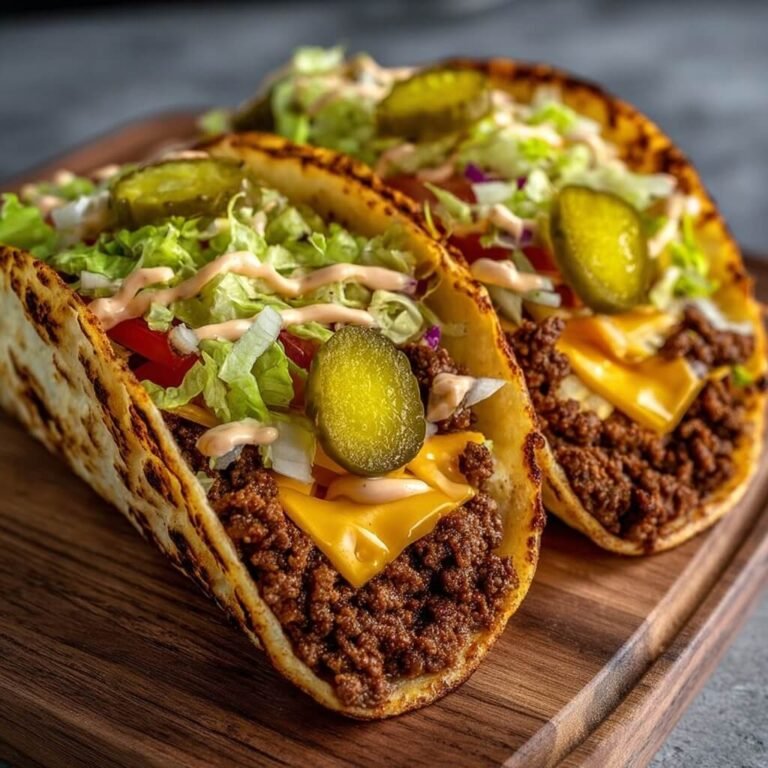
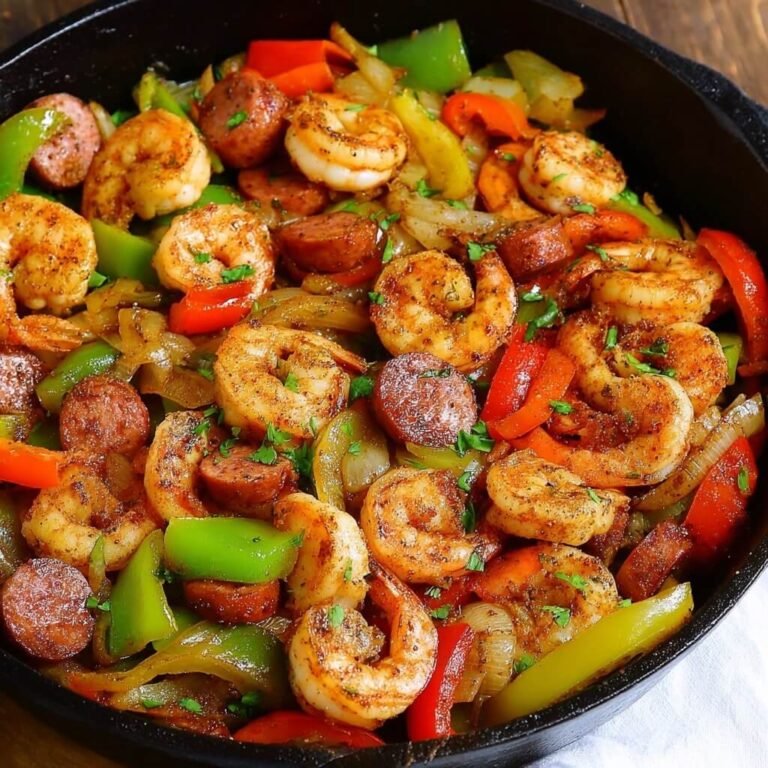
Mid-way through your steak journey, for inspiration on flavor-packed tacos with smashed burgers or a shrimp burrito bowl, visit meaty delights here:
– Smash burger tacos
– Shrimp burrito bowl recipe
FAQ
Q1. How long should I rest steak after cooking?
Rest steak for 5-10 minutes loosely covered. This helps juices redistribute evenly inside the meat for maximum moisture.
Q2. Can I use frozen steak and still get it juicy?
Yes, but thaw thoroughly in refrigerator and bring to room temperature before cooking. Cooking frozen meat directly traps excess water and results in uneven doneness.
Q3. What’s the best way to check steak doneness without a thermometer?
Try the finger test for firmness matching doneness levels. For precise results, using a thermometer is best. For more steak tips, see this external guide on making your best steak (includes cooking advice beyond dessert!).
Nutritional Snapshot
| Nutrient | Amount per Serving |
|---|---|
| Calories | 350 kcal |
| Protein | 30 g |
| Fat | 25 g |
| Net Carbs | 0 g |
| Fiber | 0 g |
| Sugar | 0 g |
Conclusion
Achieving juicy, restaurant-quality steak at home is all about selecting the right cut, mastering heat control, and allowing proper rest. Avoid common pitfalls like overcooking and cutting too soon, and your steak will reward you with every bite. For diverse home cooking inspiration, don’t miss out on this superb easy crockpot chicken recipes collection.
Comment below with your favorite steak tips and share this guide for juicy results every time. Subscribe for more practical kitchen solutions.
Why Your Steak Isn’t Juicy Like Restaurant Steak — Fix It with These Proven Tips
Ingredients
- 1 steak (ribeye, sirloin, or strip), 8-12 oz
- Kosher salt, to taste
- Freshly ground black pepper, to taste
- 1 tbsp olive oil or cooking oil
- Optional: garlic powder or fresh herbs for seasoning
- 1 tbsp butter (for finishing)